


 Ada Pertanyaan? Hubungi Kami


2026 Hak Cipta Milik Hukumonline.com
Produk Pilihan


 Ada Pertanyaan? Hubungi Kami
Marcell Sihombing, M. Agus Yozami
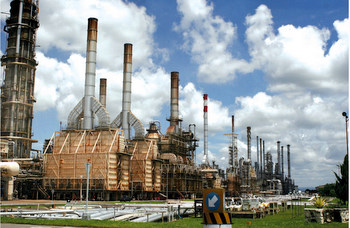
The government intends to provide incentives for the development of domestic oil refineries.
In a bid to achieve energy security, safeguard the country’s fuel supply and reduce dependency upon fuel imports, the government is aiming to optimize the role of private companies through the development of domestic oil refineries. With the above considerations firmly in mind, Ignasius Jonan, the Minister of Energy and Mineral Resources, signed Ministry of Energy and Mineral Resources (Ministry) Regulation No. 35 of 2016 on the Implementation of Domestic Oil Refinery Development by Private Companies (Regulation 35/2016) on 10 November 2016. The regulation then entered into force on 11 November 2016.
Pursuant to Regulation 35/2016, private oil refineries refer to refining facilities for fuel and/or its condensates, as well as all of their necessary supporting facilities, as they are developed by private companies in Indonesia. Article 3 of Regulation 35/2016 then stipulates that such private companies may undertake such developments only after they have first secured processing business licenses (izin usaha pengolahan) in accordance with the prevailing laws and regulations.
In order to enhance their economic feasibility, the development of any oil refineries by private companies may be supported by various fiscal or non-fiscal facilities in accordance with the prevailing laws and regulations, and/or the integration of petrochemical production, as stipulated under Article 4 of Regulation 35/2016. Regulation 35/2016 further stipulates that the supply of any raw materials necessary for the operation of such oil refineries may be sourced from fuel and its condensates which are either produced within Indonesia or which are imported from other countries.
Regulation 35/2016 also states that all fuels which are refined at such facilities must be prioritized for domestic needs first, and can only be exported to foreign countries after due consideration has been paid to domestic needs, as well as to the prevailing laws and regulations. Moreover, Regulation 35/2016 also asserts that any fuels which are produced by private oil refineries can be sold directly to domestic end users, provided that any private companies which are intending to do so first secure the so-called General Trading Business License.
In addition, Regulation 35/2016 also allows for any private companies which are currently in the process of developing their own oil-refinery facilities to be directly appointed as distributors of certain types of fuel and special types of fuel by the Oil-and-Gas Downstream Regulatory Agency (BPH Migas). However, any such appointments should only involve companies which have already secured General Trading Business Licenses and which are also in possession of proper storage and distribution facilities.
The government has also asserted that the development of any new oil refineries should utilize technologies which maximize environmental protection and management, and should also focus upon the use of domestic products. In line with this stipulation, Regulation 35/2016 authorizes the Director General of Oil and Gas (Director General) to oversee and improve the construction, development and operation of oil refineries by private companies in accordance with the prevailing laws and regulations. Similarly, the authority to supervise the procurement and distribution of certain types of fuel and special types of fuel has now been granted to the Regulatory Agency under Regulation 35/2016.
Finally, any private companies which engage in the development of oil refineries are obliged to submit routine reports to the Director General every three months or whenever they are requested to.
(cd/sp)
Marcell Sihombing, M. Agus Yozami
The government intends to provide incentives for the development of domestic oil refineries.
In a bid to achieve energy security, safeguard the country’s fuel supply and reduce dependency upon fuel imports, the government is aiming to optimize the role of private companies through the development of domestic oil refineries. With the above considerations firmly in mind, Ignasius Jonan, the Minister of Energy and Mineral Resources, signed Ministry of Energy and Mineral Resources (Ministry) Regulation No. 35 of 2016 on the Implementation of Domestic Oil Refinery Development by Private Companies (Regulation 35/2016) on 10 November 2016. The regulation then entered into force on 11 November 2016.
Pursuant to Regulation 35/2016, private oil refineries refer to refining facilities for fuel and/or its condensates, as well as all of their necessary supporting facilities, as they are developed by private companies in Indonesia. Article 3 of Regulation 35/2016 then stipulates that such private companies may undertake such developments only after they have first secured processing business licenses (izin usaha pengolahan) in accordance with the prevailing laws and regulations.
In order to enhance their economic feasibility, the development of any oil refineries by private companies may be supported by various fiscal or non-fiscal facilities in accordance with the prevailing laws and regulations, and/or the integration of petrochemical production, as stipulated under Article 4 of Regulation 35/2016. Regulation 35/2016 further stipulates that the supply of any raw materials necessary for the operation of such oil refineries may be sourced from fuel and its condensates which are either produced within Indonesia or which are imported from other countries.
Regulation 35/2016 also states that all fuels which are refined at such facilities must be prioritized for domestic needs first, and can only be exported to foreign countries after due consideration has been paid to domestic needs, as well as to the prevailing laws and regulations. Moreover, Regulation 35/2016 also asserts that any fuels which are produced by private oil refineries can be sold directly to domestic end users, provided that any private companies which are intending to do so first secure the so-called General Trading Business License.
In addition, Regulation 35/2016 also allows for any private companies which are currently in the process of developing their own oil-refinery facilities to be directly appointed as distributors of certain types of fuel and special types of fuel by the Oil-and-Gas Downstream Regulatory Agency (BPH Migas). However, any such appointments should only involve companies which have already secured General Trading Business Licenses and which are also in possession of proper storage and distribution facilities.
The government has also asserted that the development of any new oil refineries should utilize technologies which maximize environmental protection and management, and should also focus upon the use of domestic products. In line with this stipulation, Regulation 35/2016 authorizes the Director General of Oil and Gas (Director General) to oversee and improve the construction, development and operation of oil refineries by private companies in accordance with the prevailing laws and regulations. Similarly, the authority to supervise the procurement and distribution of certain types of fuel and special types of fuel has now been granted to the Regulatory Agency under Regulation 35/2016.
Finally, any private companies which engage in the development of oil refineries are obliged to submit routine reports to the Director General every three months or whenever they are requested to.
(cd/sp)