


 Ada Pertanyaan? Hubungi Kami


2026 Hak Cipta Milik Hukumonline.com
Produk Pilihan


 Ada Pertanyaan? Hubungi Kami
Ari Pramuditya, Rofiq Hidayat
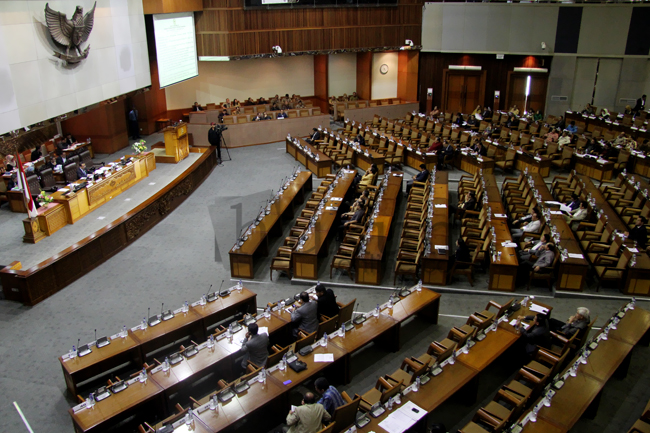
The House of Representatives in session. Photo by: RES
The parliament has requested that the legislature immediately compile a National Legislative Program (Program Legislasi Nasional- “Prolegnas”) rundown for 2016. A proposed revision to Law No. 30 of 2002 on the Corruption Eradication Commission (Komisi Pemberantasan Korupsi – “KPK”) is slated to become a part of Prolegnas 2016.
“Among the important revisions to be included in Prolegnas 2016 is the revision to the KPK Law,” explained Setya Novanto, Speaker of the House of Representatives, during his opening speech at Sessions II for 2015-2016, which was held at the DPR building on Monday, 16 November 2015.
The House and the government have been planning to revise the KPK Law over past few years, however to date this subject has not been broached. This has primarily been due to rejection by various civil groups within Indonesian society, who see the proposed revision to the KPK Law as aiming to narrow the commission’s ability to combat endemic corruption.
Last month, the DPR returned with a new plan to revise the KPK Law. However, this time around the draft revision instead focused upon limiting the operational timeframe of the KPK. Consequently, President Joko Widodo has requested a postponement in order to properly revise the KPK Law.
The proposed revision to the KPK law has been included as part of the five-year Prolegnas plan. The House and the government are trying to find a loophole which they can use to reform the law.
The government, represented by the Minister of Law and Human Rights, Yasonna H Laoly, is calling the shots, while the DPR has seized the initiative and brought its proposing rights (hak usul) into play as regards the revision to the KPK Law. However the DPR’s proposal has not yet been recognized.
Besides the proposed revision to the KPK Law, Mr. Novanto has also stated that a number of other law revisions must be included in Prolegnas 2016. Examples include a proposed revision of the Tax Amnesty Law, a revision of the Radio and Television Law, a revision of the General Election Law, as well as a revision of the law on Political Parties.
However, according to Mr. Novanto, when formulating items to be incorporated into Prolegnas 2016, the legislature and the government have to consider the legal needs of society.
Speaker Novanto further explained that several law revisions were currently in the drafting stage, including a revision of the Industrial Dispute Settlement Law; a revision of the Animal, Fish, and Plant Quarantine Law; a revision of the Oil and Gas Law; a revision of the Coal and Minerals Law; a revision of the Financial System Safety Net; a revision of the Nontax State Income Law; a revision of the Banking Law; an amendment to the revision of the Bank Indonesia Law; and a revision of the Broadcasting Law.
Law revisions already in the harmonization stage include the Tobacco, Land, Accounting System, and Culture Laws.
“A revision of the Tobacco Law is still in the process of being filed,” explained Speaker Novanto.
Speaker Novanto also stated that law revisions still awaiting letters of approval from the President included a revision of the Protection of Indonesian Workers Abroad Law (Perlindungan Tenaga Kerja Indonesia di Luar Negeri), as well as a revision of the Protection and Empowerment of Fishermen and Fish Farmers Law.
Furthermor, Speaker Novanto further explained that his institution would seek to accelerate the discussion process as it relates to a number of laws and revisions, including a revision of laws relating to brands and patents, as well as the Prohibition of Alcoholic Beverages Law, the Public Housing Savings Law (Tabungan Perumahan Rakyat), and a revision of the Indonesian Criminal Code.
“Bear in mind that this second trial period will be brief and yet there are still many revisions which need to be completed,” Speaker Novanto stated.
The house’s deputy speaker, Fadli Zon, added that discussion of various legal revisions should be prioritized and accelerated across the board, especially revisions which are already in their draft form. Mr. Zon will be coordinating with the legislature and the relevant commissions during this process.
“Of course we hope that a decent amount of revisions will be completed. However, a long process of political discussion remains regarding these revisions, as their substance has to be properly dealt with. For instance, the revision to the Broadcasting Law will involve a detailed discussion into the relative merits of digitalization, and whether this will require a separate law,” the deputy speaker explained.
Fahri Hamzah, the house’s other deputy speaker, asserted that the House had plenty of homework ahead of it as regards the revision of various laws. According to Mr. Hamzah, comprehensive discussions regarding these revisions will be undertaken by both the House and the government.
The proposed revision to the Tax Amnesty Law, for example, was initiated directly by the government, as a number of politicians from the Prosperous Justice Party (Partai Keadilan Sejahtera) stated that the House objected to the revision of the Tax Amnesty Law being classed as a legislative initiative.
“Let it be an executive government proposal,” Mr. Hamzah concluded.
(sp)
Ari Pramuditya, Rofiq Hidayat
The House of Representatives in session. Photo by: RES
The parliament has requested that the legislature immediately compile a National Legislative Program (Program Legislasi Nasional- “Prolegnas”) rundown for 2016. A proposed revision to Law No. 30 of 2002 on the Corruption Eradication Commission (Komisi Pemberantasan Korupsi – “KPK”) is slated to become a part of Prolegnas 2016.
“Among the important revisions to be included in Prolegnas 2016 is the revision to the KPK Law,” explained Setya Novanto, Speaker of the House of Representatives, during his opening speech at Sessions II for 2015-2016, which was held at the DPR building on Monday, 16 November 2015.
The House and the government have been planning to revise the KPK Law over past few years, however to date this subject has not been broached. This has primarily been due to rejection by various civil groups within Indonesian society, who see the proposed revision to the KPK Law as aiming to narrow the commission’s ability to combat endemic corruption.
Last month, the DPR returned with a new plan to revise the KPK Law. However, this time around the draft revision instead focused upon limiting the operational timeframe of the KPK. Consequently, President Joko Widodo has requested a postponement in order to properly revise the KPK Law.
The proposed revision to the KPK law has been included as part of the five-year Prolegnas plan. The House and the government are trying to find a loophole which they can use to reform the law.
The government, represented by the Minister of Law and Human Rights, Yasonna H Laoly, is calling the shots, while the DPR has seized the initiative and brought its proposing rights (hak usul) into play as regards the revision to the KPK Law. However the DPR’s proposal has not yet been recognized.
Besides the proposed revision to the KPK Law, Mr. Novanto has also stated that a number of other law revisions must be included in Prolegnas 2016. Examples include a proposed revision of the Tax Amnesty Law, a revision of the Radio and Television Law, a revision of the General Election Law, as well as a revision of the law on Political Parties.
However, according to Mr. Novanto, when formulating items to be incorporated into Prolegnas 2016, the legislature and the government have to consider the legal needs of society.
Speaker Novanto further explained that several law revisions were currently in the drafting stage, including a revision of the Industrial Dispute Settlement Law; a revision of the Animal, Fish, and Plant Quarantine Law; a revision of the Oil and Gas Law; a revision of the Coal and Minerals Law; a revision of the Financial System Safety Net; a revision of the Nontax State Income Law; a revision of the Banking Law; an amendment to the revision of the Bank Indonesia Law; and a revision of the Broadcasting Law.
Law revisions already in the harmonization stage include the Tobacco, Land, Accounting System, and Culture Laws.
“A revision of the Tobacco Law is still in the process of being filed,” explained Speaker Novanto.
Speaker Novanto also stated that law revisions still awaiting letters of approval from the President included a revision of the Protection of Indonesian Workers Abroad Law (Perlindungan Tenaga Kerja Indonesia di Luar Negeri), as well as a revision of the Protection and Empowerment of Fishermen and Fish Farmers Law.
Furthermor, Speaker Novanto further explained that his institution would seek to accelerate the discussion process as it relates to a number of laws and revisions, including a revision of laws relating to brands and patents, as well as the Prohibition of Alcoholic Beverages Law, the Public Housing Savings Law (Tabungan Perumahan Rakyat), and a revision of the Indonesian Criminal Code.
“Bear in mind that this second trial period will be brief and yet there are still many revisions which need to be completed,” Speaker Novanto stated.
The house’s deputy speaker, Fadli Zon, added that discussion of various legal revisions should be prioritized and accelerated across the board, especially revisions which are already in their draft form. Mr. Zon will be coordinating with the legislature and the relevant commissions during this process.
“Of course we hope that a decent amount of revisions will be completed. However, a long process of political discussion remains regarding these revisions, as their substance has to be properly dealt with. For instance, the revision to the Broadcasting Law will involve a detailed discussion into the relative merits of digitalization, and whether this will require a separate law,” the deputy speaker explained.
Fahri Hamzah, the house’s other deputy speaker, asserted that the House had plenty of homework ahead of it as regards the revision of various laws. According to Mr. Hamzah, comprehensive discussions regarding these revisions will be undertaken by both the House and the government.
The proposed revision to the Tax Amnesty Law, for example, was initiated directly by the government, as a number of politicians from the Prosperous Justice Party (Partai Keadilan Sejahtera) stated that the House objected to the revision of the Tax Amnesty Law being classed as a legislative initiative.
“Let it be an executive government proposal,” Mr. Hamzah concluded.
(sp)