


 Ada Pertanyaan? Hubungi Kami


2026 Hak Cipta Milik Hukumonline.com
Produk Pilihan


 Ada Pertanyaan? Hubungi Kami
Marcell Sihombing, Kartini L. Makmur
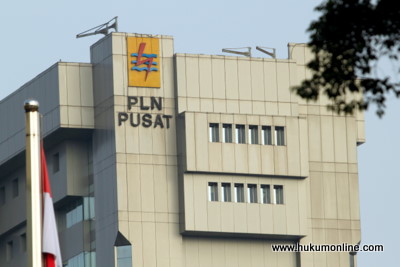
State Electricity Company. Photo by: SGP
The Indonesian state-owned enterprise in charge of the country’s electricity supply, PT Perusahaan Listrik Negara (PLN), recently announced plans to revoke the supply of subsidized electricity to some of its customers. This subsidy rollback is projected to get underway in 2016 and will be aimed at customers who currently use between 450 to 900 volt amperes (VA) of electricity.
Such customers are currently entitled to use subsidized electricity, since they are classified as being underprivileged citizens. According to Bambang Dwiyanto though, the current Head of PLN’s Corporate Communications Division, many of these subsidy recipients are not actually underprivileged at all.
“The National Team for the Acceleration of Poverty Alleviation [Tim Nasional Percepatan Penanggulangan Kemiskinan – TNP2K] has estimated that citizens entitled to receive subsidized electricity only amount to some 24.7 million PLN customers. However, the 450 to 900 VA subsidized electricity band currently consists of around 45 million customers in total. This means that over 20 million customers are currently enjoying a subsidy that they are not eligible for,” stated Mr. Dwiyanto in Jakarta on 26 October 2015.
During his statement, Mr. Dwiyanto pointed out that this fact revealed that electricity subsidies were being misdirected, and he expressed his regret that some of Indonesia’s better off citizens were nonetheless still able to utilize subsidized electricity.
Mr. Dwiyanto also asserted that his company was currently deliberating measures that would ensure that subsidies would be channeled to properly deserving customers in future. According to Dwiyanto though, ensuring that subsidies are targeted at the right customers cannot be achieved by simply increasing electricity tariffs. Instead, there has to be a wholesale reorganization of subsidy allocations.
The plan to revoke the subsidies currently enjoyed by many of PLN’s customers comes on the back of the government and the House of Representatives agreeing to reduce the budget for subsidized electricity from IDR 66 trillion in 2015 to IDR 38.39 trillion in 2016.
This year’s subsidies are not just enjoyed by household customers though, but are also channeled to various industries, businesses, and other social groups. However, households in the 450 VA and 900 VA bracket enjoy a total of around IDR 27 trillion in subsidies, which is roughly equal to the subsidies currently enjoyed by the industrial and business sector.
The third largest subsidy is allocated to industries that use up to 200 VA of electricity, and this subsidy amounts to some IDR 2.7 trillion. Meanwhile, businesses using up to 5500 VA of electricity and other social groups using up to 3500 VA of electricity currently enjoy subsidies of more than IDR 1 trillion.
Furthermore, larger households using over 1300 VA of electricity still enjoy IDR 826 billion in electricity subsidies, while businesses using 900 VA of electricity enjoy IDR 706 billion in subsidies, and businesses using 1300 VA of electricity enjoy IDR 672 billion in subsidies. The remainder of the current subsidy allocation is granted to social groups using between 450 VA and 900 VA of electricity, and this amounts to around IDR 500 billion.
Despite so many different types of customer being able to enjoy subsidized electricity from PLN, the state electricity provider is currently focusing its efforts on cutting back household subsidies, and is not, as yet, considering slashing the subsidies that are currently extended to industries and businesses. However, Mr. Dyiwanto admits that his company has already begun deliberating such a move and is currently studying the impact that subsidy cutbacks would have on industries and businesses.
Prior to reducing subsidies for household customers that fall in the 450 to 900 VA bracket, Mr. Dwiyanto stressed that his company was working hard to disseminate the plan among the general public. He revealed that PLN employees throughout the Jakarta were already going door to door in an attempt to persuade electricity consumers to switch over to non-subsidized electricity. Regrettably though, Mr. Dwiyanto admits the results of this approach have, to date, not yielded encouraging results.
(sp)
Marcell Sihombing, Kartini L. Makmur
State Electricity Company. Photo by: SGP
The Indonesian state-owned enterprise in charge of the country’s electricity supply, PT Perusahaan Listrik Negara (PLN), recently announced plans to revoke the supply of subsidized electricity to some of its customers. This subsidy rollback is projected to get underway in 2016 and will be aimed at customers who currently use between 450 to 900 volt amperes (VA) of electricity.
Such customers are currently entitled to use subsidized electricity, since they are classified as being underprivileged citizens. According to Bambang Dwiyanto though, the current Head of PLN’s Corporate Communications Division, many of these subsidy recipients are not actually underprivileged at all.
“The National Team for the Acceleration of Poverty Alleviation [Tim Nasional Percepatan Penanggulangan Kemiskinan – TNP2K] has estimated that citizens entitled to receive subsidized electricity only amount to some 24.7 million PLN customers. However, the 450 to 900 VA subsidized electricity band currently consists of around 45 million customers in total. This means that over 20 million customers are currently enjoying a subsidy that they are not eligible for,” stated Mr. Dwiyanto in Jakarta on 26 October 2015.
During his statement, Mr. Dwiyanto pointed out that this fact revealed that electricity subsidies were being misdirected, and he expressed his regret that some of Indonesia’s better off citizens were nonetheless still able to utilize subsidized electricity.
Mr. Dwiyanto also asserted that his company was currently deliberating measures that would ensure that subsidies would be channeled to properly deserving customers in future. According to Dwiyanto though, ensuring that subsidies are targeted at the right customers cannot be achieved by simply increasing electricity tariffs. Instead, there has to be a wholesale reorganization of subsidy allocations.
The plan to revoke the subsidies currently enjoyed by many of PLN’s customers comes on the back of the government and the House of Representatives agreeing to reduce the budget for subsidized electricity from IDR 66 trillion in 2015 to IDR 38.39 trillion in 2016.
This year’s subsidies are not just enjoyed by household customers though, but are also channeled to various industries, businesses, and other social groups. However, households in the 450 VA and 900 VA bracket enjoy a total of around IDR 27 trillion in subsidies, which is roughly equal to the subsidies currently enjoyed by the industrial and business sector.
The third largest subsidy is allocated to industries that use up to 200 VA of electricity, and this subsidy amounts to some IDR 2.7 trillion. Meanwhile, businesses using up to 5500 VA of electricity and other social groups using up to 3500 VA of electricity currently enjoy subsidies of more than IDR 1 trillion.
Furthermore, larger households using over 1300 VA of electricity still enjoy IDR 826 billion in electricity subsidies, while businesses using 900 VA of electricity enjoy IDR 706 billion in subsidies, and businesses using 1300 VA of electricity enjoy IDR 672 billion in subsidies. The remainder of the current subsidy allocation is granted to social groups using between 450 VA and 900 VA of electricity, and this amounts to around IDR 500 billion.
Despite so many different types of customer being able to enjoy subsidized electricity from PLN, the state electricity provider is currently focusing its efforts on cutting back household subsidies, and is not, as yet, considering slashing the subsidies that are currently extended to industries and businesses. However, Mr. Dyiwanto admits that his company has already begun deliberating such a move and is currently studying the impact that subsidy cutbacks would have on industries and businesses.
Prior to reducing subsidies for household customers that fall in the 450 to 900 VA bracket, Mr. Dwiyanto stressed that his company was working hard to disseminate the plan among the general public. He revealed that PLN employees throughout the Jakarta were already going door to door in an attempt to persuade electricity consumers to switch over to non-subsidized electricity. Regrettably though, Mr. Dwiyanto admits the results of this approach have, to date, not yielded encouraging results.
(sp)