


 Ada Pertanyaan? Hubungi Kami


2026 Hak Cipta Milik Hukumonline.com
Produk Pilihan


 Ada Pertanyaan? Hubungi Kami
Jasmine Abdurrachim, Rofiq Hidayat
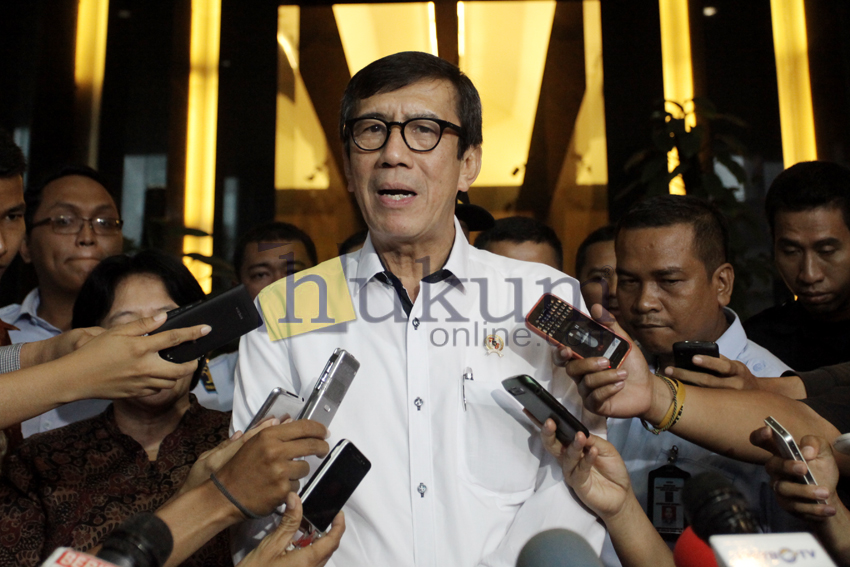 The government is at a state of high alert as an overflow of Chinese workers enters the country. Concerns about this influx are not only arising from the general population, but also the House of Representatives (“House”) and the government. In order to manage the current overflow, the House insists on the formation of a Work Committee, which it believes will allow for the close supervision of these workers. The committee would be run in coordination with the government.
Lawmaker Wihadi Wiyanto (Commission III) recently stated that Chinese workers were entering Indonesia on a massive scale and were currently taking up employment opportunities which could be enjoyed by locals. Moreover, the minister insisted that the fact that these migrant workers were unable to understand the Indonesian language was a violation of the prevailing laws and regulations.
“Supervision is urgently needed,” explained Mr. Wiyanto at a recent working meeting with the Minister of Justice and Human Rights, at the parliament complex, 3 September 2015.
Lawmaker Wiyanto also added that the government cannot merely claim that the doors have been opened to foreign workers in order to stimulate an inflow of investment, without the proper controls being in place.
According to lawmaker Wiyanto believes that strict supervision of such worker immigration, especially from China, is urgently needed. A balanced approach should be taken with regard to this issue, and the formation of a Foreign-Worker Supervision Work Committee, overseen by both the immigration department and the police, is desperately needed.
Lawmaker Didik Mukrianto (Commission III), believes that preventive and restrictive supervision is in order with regard to Chinese migrant workers. Mukrianto thinks that the allowing of foreign workers into Indonesia must be balanced against the supervision capabilities of the immigration department. I
f the immigration department is faced with significant obstacles, then a solution should be sought by the new Working Committee. Mukrianto also thinks that the number of immigration personnel is currently not up to the task of handling the massive flow of workers from China.
Arsul Sani, also a member of Commission III, has suggested that the government could adopt a similar approach to that taken during the New Order era, which saw foreign refugees being relocated to an island, such as Galang Island off the coast of Batam. Sani thinks that Indonesia's current visa-free policy is not only attracting tourists, but also illegal foreign workers.
These workers are heading to regions all over the country, which is naturally making it hard for the immigration department to supervise them adequately, or even determine their whereabouts. Furthermore, Sani thinks that the obvious lack of immigration personnel means that the police should help out with the supervision of these foreign workers.
Yasonna H Laoly, the Minister of Law and Human Rights (“Menhumkam”), has suggested that these matters should be dealt with comprehensively, and that intensive and strict supervision is required in order to prevent huge numbers of workers from China entering the job market here. Based on recent data from the Ministry of Employment (“Kemenaker”), as of August 2015, there were 13,000 workers from China and 3,482 from India in Indonesia.
Minister Laoly further added that cooperation between the Ministry of Foreign Affairs, the police and the State Intelligence Body was deemed necessary for security reasons. Laoly suggested that further meetings were necessary in order to discuss the supervision of foreign workers.
“Cooperation between all of the relevant agencies is paramount. Hence we have a police general at our disposal, so that we can achieve better cooperation with the police. I very much agree that further meetings should be held so that we can better formulate a suitable policy,” concluded Mr. Laoly.
(sp)
Jasmine Abdurrachim, Rofiq Hidayat
The government is at a state of high alert as an overflow of Chinese workers enters the country. Concerns about this influx are not only arising from the general population, but also the House of Representatives (“House”) and the government. In order to manage the current overflow, the House insists on the formation of a Work Committee, which it believes will allow for the close supervision of these workers. The committee would be run in coordination with the government.Lawmaker Wihadi Wiyanto (Commission III) recently stated that Chinese workers were entering Indonesia on a massive scale and were currently taking up employment opportunities which could be enjoyed by locals. Moreover, the minister insisted that the fact that these migrant workers were unable to understand the Indonesian language was a violation of the prevailing laws and regulations.
“Supervision is urgently needed,” explained Mr. Wiyanto at a recent working meeting with the Minister of Justice and Human Rights, at the parliament complex, 3 September 2015.
Lawmaker Wiyanto also added that the government cannot merely claim that the doors have been opened to foreign workers in order to stimulate an inflow of investment, without the proper controls being in place.
According to lawmaker Wiyanto believes that strict supervision of such worker immigration, especially from China, is urgently needed. A balanced approach should be taken with regard to this issue, and the formation of a Foreign-Worker Supervision Work Committee, overseen by both the immigration department and the police, is desperately needed.
Lawmaker Didik Mukrianto (Commission III), believes that preventive and restrictive supervision is in order with regard to Chinese migrant workers. Mukrianto thinks that the allowing of foreign workers into Indonesia must be balanced against the supervision capabilities of the immigration department. I
f the immigration department is faced with significant obstacles, then a solution should be sought by the new Working Committee. Mukrianto also thinks that the number of immigration personnel is currently not up to the task of handling the massive flow of workers from China.
Arsul Sani, also a member of Commission III, has suggested that the government could adopt a similar approach to that taken during the New Order era, which saw foreign refugees being relocated to an island, such as Galang Island off the coast of Batam. Sani thinks that Indonesia's current visa-free policy is not only attracting tourists, but also illegal foreign workers.
These workers are heading to regions all over the country, which is naturally making it hard for the immigration department to supervise them adequately, or even determine their whereabouts. Furthermore, Sani thinks that the obvious lack of immigration personnel means that the police should help out with the supervision of these foreign workers.
Yasonna H Laoly, the Minister of Law and Human Rights (“Menhumkam”), has suggested that these matters should be dealt with comprehensively, and that intensive and strict supervision is required in order to prevent huge numbers of workers from China entering the job market here. Based on recent data from the Ministry of Employment (“Kemenaker”), as of August 2015, there were 13,000 workers from China and 3,482 from India in Indonesia.
Minister Laoly further added that cooperation between the Ministry of Foreign Affairs, the police and the State Intelligence Body was deemed necessary for security reasons. Laoly suggested that further meetings were necessary in order to discuss the supervision of foreign workers.
“Cooperation between all of the relevant agencies is paramount. Hence we have a police general at our disposal, so that we can achieve better cooperation with the police. I very much agree that further meetings should be held so that we can better formulate a suitable policy,” concluded Mr. Laoly.
(sp)