


 Ada Pertanyaan? Hubungi Kami


2026 Hak Cipta Milik Hukumonline.com
Produk Pilihan


 Ada Pertanyaan? Hubungi Kami
Nadia Maharani, RED/ANT
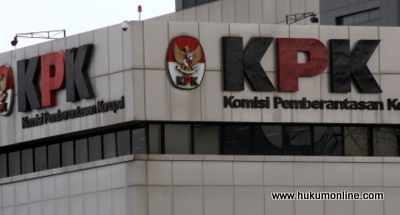 The Selection Committee charged with finding new leaders for Indonesia’s Corruption Eradication Commission (“Pansel KPK”) has now whittled the original group of nineteen candidates down to a shortlist of eight possible leaders. The names of the eight remaining candidates were forwarded to the President after they had passed a series of tests, including profile assessments, interviews and physical checks, to name but a few.
“The selection process, registration, writing and profile assessments, interviews, and physical tests have produced eight final candidates,” President Joko Widodo confirmed after taking receipt of the candidates’ names at the Presidential Palace on Tuesday.
The shortlist has drawn complaints from activists and the general public however, as some of the selected candidates have histories of involvement in corruption. The President, however, has moved to reassure the public that the eight candidates have been selected for their competence, leadership abilities, previous experience, and independence.
Furthermore, President Widodo has declared that the eight candidates will be divided into four departments, with two candidates being pitted against each other in each department. The departments in question comprise of Prevention, Management, Action, and Supervision and Monitoring.
Detailing the makeup of these new departments, the President stated that Saut Situmorang (Chief Expert of State Intelligence) and Surya Chandra (Director of the Trade Union Centre) have been earmarked for the Prevention Department. Next up comes the Action Department, which will be represented by two candidates specializing in law enforcement, namely Alexander Marwata and Basaria Panjaitan.
Agus Rahardjo and Sujanarko have been selected to go head to head in the Management Department; while last but not least, the KPK’s very own Johan Budi has been selected for the Supervisory and Monitoring Department, and will be facing off against Laode M. Syarif. Moreover, two last minute additions to the candidacy list have been named, and they are Robby Brata and M. Busyro Muqoddas.
President Widodo explained that the names of the eight candidates would be handed over to the House of Representative (“House”) for a fit-and-proper selection test. In order to expedite this selection process, the President also announced that a decree regarding this matter would be issued immediately.
Selection Committee Chairperson, Destry Damayanti, has emphasized that the Committee has done its very best to select candidates with no criminal records. Chairperson Damayanti explained that a totally independent examination of the candidates would take place and that there would be no intervention from any outside parties. The Committee has also assessed the credibility and reputations of the various candidates, while deliberating upon input from various parties, including Indonesian Corruption Watch (ICW) and law enforcers, as well as the public.
Referring to the four departments open for the candidacy, Chairperson Damayanti explained that these new departments need to be simultaneously developed into one solid, legal entity. The four departments, Damayanti believes, will play an important role in the future of the KPK as it looks to grapple with both present and future challenges.
“In essence, we suggested [the selection departments] after mapping out the possible challenges that lie ahead for KPK in the future. Moreover, these suggestions were made based on a consideration of the KPK’s authority as outlined in the KPK Law itself,” Chairperson Damayanti stated.
Yanti Garnasih, another member of the Selection Committee, also elaborated upon the next steps that will be taken in the Commission Leader candidacy process.
“Article 32 of the KPK Law states that the House is obligated to choose five names from the original group of eight. One of these chosen candidates will become the Commissioner, while the remaining four candidates will serve as Vice Commissioners,” Mrs. Garnasih stated.
(sp)
Nadia Maharani, RED/ANT
The Selection Committee charged with finding new leaders for Indonesia’s Corruption Eradication Commission (“Pansel KPK”) has now whittled the original group of nineteen candidates down to a shortlist of eight possible leaders. The names of the eight remaining candidates were forwarded to the President after they had passed a series of tests, including profile assessments, interviews and physical checks, to name but a few.“The selection process, registration, writing and profile assessments, interviews, and physical tests have produced eight final candidates,” President Joko Widodo confirmed after taking receipt of the candidates’ names at the Presidential Palace on Tuesday.
The shortlist has drawn complaints from activists and the general public however, as some of the selected candidates have histories of involvement in corruption. The President, however, has moved to reassure the public that the eight candidates have been selected for their competence, leadership abilities, previous experience, and independence.
Furthermore, President Widodo has declared that the eight candidates will be divided into four departments, with two candidates being pitted against each other in each department. The departments in question comprise of Prevention, Management, Action, and Supervision and Monitoring.
Detailing the makeup of these new departments, the President stated that Saut Situmorang (Chief Expert of State Intelligence) and Surya Chandra (Director of the Trade Union Centre) have been earmarked for the Prevention Department. Next up comes the Action Department, which will be represented by two candidates specializing in law enforcement, namely Alexander Marwata and Basaria Panjaitan.
Agus Rahardjo and Sujanarko have been selected to go head to head in the Management Department; while last but not least, the KPK’s very own Johan Budi has been selected for the Supervisory and Monitoring Department, and will be facing off against Laode M. Syarif. Moreover, two last minute additions to the candidacy list have been named, and they are Robby Brata and M. Busyro Muqoddas.
President Widodo explained that the names of the eight candidates would be handed over to the House of Representative (“House”) for a fit-and-proper selection test. In order to expedite this selection process, the President also announced that a decree regarding this matter would be issued immediately.
Selection Committee Chairperson, Destry Damayanti, has emphasized that the Committee has done its very best to select candidates with no criminal records. Chairperson Damayanti explained that a totally independent examination of the candidates would take place and that there would be no intervention from any outside parties. The Committee has also assessed the credibility and reputations of the various candidates, while deliberating upon input from various parties, including Indonesian Corruption Watch (ICW) and law enforcers, as well as the public.
Referring to the four departments open for the candidacy, Chairperson Damayanti explained that these new departments need to be simultaneously developed into one solid, legal entity. The four departments, Damayanti believes, will play an important role in the future of the KPK as it looks to grapple with both present and future challenges.
“In essence, we suggested [the selection departments] after mapping out the possible challenges that lie ahead for KPK in the future. Moreover, these suggestions were made based on a consideration of the KPK’s authority as outlined in the KPK Law itself,” Chairperson Damayanti stated.
Yanti Garnasih, another member of the Selection Committee, also elaborated upon the next steps that will be taken in the Commission Leader candidacy process.
“Article 32 of the KPK Law states that the House is obligated to choose five names from the original group of eight. One of these chosen candidates will become the Commissioner, while the remaining four candidates will serve as Vice Commissioners,” Mrs. Garnasih stated.
(sp)