


 Ada Pertanyaan? Hubungi Kami


2026 Hak Cipta Milik Hukumonline.com
Produk Pilihan


 Ada Pertanyaan? Hubungi Kami
Marcell Sihombing, Kartini L. Makmur
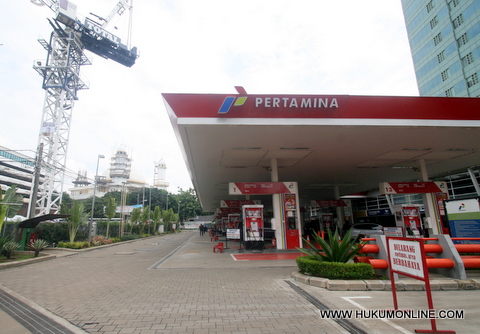 The recent realization that Indonesia’s state oil provider, Pertamina, has suffered substantial losses as a result of the price set for its subsidized fuel has placed both Pertamina and the government in an awkward position. As a result of the shortfall, citizens groups are demanding that Pertamina and the government offer an explanation as to why the company has experienced such losses and what the true price of its petroleum is.
“The government and Pertamina must openly explain to the public the reasons underlying their subsidized fuel pricing structure, so that the country’s citizens can allay any suspicions regarding the price at the pumps,” energy observer Sofyano Zakaria demanded yesterday.
The call for both the government and Pertamina to explain their pricing policy was also matched by a suggestion to incorporate various taxes into the price of subsidized fuel. The 10 percent value-added tax, 5 percent motor-vehicle fuel tax, as well as company contributions to the Oil and Gas Downstream Regulatory Agency [BPH Migas] which is currently imposed on businesses can all be incorporated into the price of subsidized fuel price,” added Mr. Zakaria.
Mr. Zakaria also emphasized that the public had the right to be able to access information pertaining to the various related costs which were incorporated into the current subsidized fuel price. Examples of these costs include the distribution costs involved in transporting subsidized fuel into the country, the costs of transporting subsidized fuels from transporting tankers to Pertamina’s subsidized fuel depots, the refining costs of processing crude oil into subsidized fuel, the cost of transporting subsidized fuel from large depots to smaller depots, the costs involved in storing subsidized fuels in depots owned by various business entities, and the cost of transporting fuel from Pertamina’s subsidized fuel depots to gas stations throughout Indonesia, as well as the margins being generated at these gas stations.
Another important matter currently requiring clarification is the impact that the depreciation of the Indonesian currency against the US dollar is having upon the importation of crude oil into the country, bearing in mind that subsidized fuel within the country is priced in rupiah.
Suhartoko, Pertamina’s Senior Vice President of Fuel Marketing and Distribution, freely admits that the losses currently being sustained by the company are the result of subsidized fuel being sold at a price below its true market value. To date, the state oil firm has suffered IDR 12 trillion in losses.
Mr. Suhartoko asserted that Pertamina is well aware that it is government policy to withhold price increases for subsidized premium and diesel, as such increases would trigger inflation in the cost of goods and services across the economy as a whole. This is the real reason why subsidized fuels are being sold to Indonesian citizens at way below the global market price. Thus current government policy is for the price of subsidized fuel to be maintained at its present level, despite the significant increases in global oil prices.
(hot/ja/sp)
Marcell Sihombing, Kartini L. Makmur
The recent realization that Indonesia’s state oil provider, Pertamina, has suffered substantial losses as a result of the price set for its subsidized fuel has placed both Pertamina and the government in an awkward position. As a result of the shortfall, citizens groups are demanding that Pertamina and the government offer an explanation as to why the company has experienced such losses and what the true price of its petroleum is.“The government and Pertamina must openly explain to the public the reasons underlying their subsidized fuel pricing structure, so that the country’s citizens can allay any suspicions regarding the price at the pumps,” energy observer Sofyano Zakaria demanded yesterday.
The call for both the government and Pertamina to explain their pricing policy was also matched by a suggestion to incorporate various taxes into the price of subsidized fuel. The 10 percent value-added tax, 5 percent motor-vehicle fuel tax, as well as company contributions to the Oil and Gas Downstream Regulatory Agency [BPH Migas] which is currently imposed on businesses can all be incorporated into the price of subsidized fuel price,” added Mr. Zakaria.
Mr. Zakaria also emphasized that the public had the right to be able to access information pertaining to the various related costs which were incorporated into the current subsidized fuel price. Examples of these costs include the distribution costs involved in transporting subsidized fuel into the country, the costs of transporting subsidized fuels from transporting tankers to Pertamina’s subsidized fuel depots, the refining costs of processing crude oil into subsidized fuel, the cost of transporting subsidized fuel from large depots to smaller depots, the costs involved in storing subsidized fuels in depots owned by various business entities, and the cost of transporting fuel from Pertamina’s subsidized fuel depots to gas stations throughout Indonesia, as well as the margins being generated at these gas stations.
Another important matter currently requiring clarification is the impact that the depreciation of the Indonesian currency against the US dollar is having upon the importation of crude oil into the country, bearing in mind that subsidized fuel within the country is priced in rupiah.
Suhartoko, Pertamina’s Senior Vice President of Fuel Marketing and Distribution, freely admits that the losses currently being sustained by the company are the result of subsidized fuel being sold at a price below its true market value. To date, the state oil firm has suffered IDR 12 trillion in losses.
Mr. Suhartoko asserted that Pertamina is well aware that it is government policy to withhold price increases for subsidized premium and diesel, as such increases would trigger inflation in the cost of goods and services across the economy as a whole. This is the real reason why subsidized fuels are being sold to Indonesian citizens at way below the global market price. Thus current government policy is for the price of subsidized fuel to be maintained at its present level, despite the significant increases in global oil prices.
(hot/ja/sp)