


 Ada Pertanyaan? Hubungi Kami


2026 Hak Cipta Milik Hukumonline.com
Produk Pilihan


 Ada Pertanyaan? Hubungi Kami
Nadia Maharani, Fitri N. Heriani
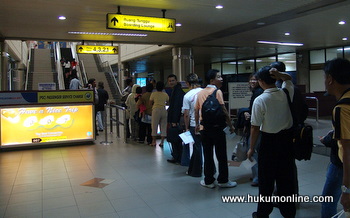 Services in Indonesia are no stranger to neglecting customer service during its peak season, such as religious holiday season or school breaks. Transportation sector is no exception, especially when Eid Mubarak season is coming up in just a few weeks.
Air transportation, for instance, is currently receiving many complaints as recorded by the Indonesian Consumers Protection Foundation (YLKI) this year. During May to June 2015, YLKI has received 245 complaints from text messages, telephone, social media platforms, and even directly at YLKI office.
Sularsi, Coordinator of Legal and Complaint at YLKI, states that this effort in receiving complaints is not merely aiming to boost airport services, but also to deal with the immense amount of complaints society have toward airport services.
The 245 reports do not only include the services provided by airlines, but also other issues. For instance, 55 percent of the complaints are in regards to illegal taxi operating at airports, with additional difficulties in finding registered taxis. Parking is also another issue, in which customers reported the uncontrollable volume of vehicles entering and exiting the airport by as much as 38%. There are also other cases reported to YLKI in regards to unresponsive care, lost baggage, smoking area, waiting sections, and so forth.
Tulus Abadi, Chairman of YLKI, asserted of the necessity for an affirmative and cooperative interaction between authorities to sort out issues happening at airports. The Ministry of Transportation, National Police, and Angkasa Pura must take actions to charge illegal taxies and parking issues.
“They have to combine forces because it deals with customers’ needs,” says Mr. Abadi.
Mr. Abadi guarantees of an increase in loss faced by customers if authorities fail to cooperate interactively between each other. Therefore, YLKI encourages Angkasa Pura to take immediate actions in cooperating with relevant parties to sort out the matter at hand.
“We must demand the regulator’s role. When the government gives a green light for air services, there has to be regulations for it as well,” says Mr. Abadi.
Mr. Abadi asserts on the difficulty of transport to and from the airport. With limited transportation for airport services, an alternative transportation such as train is much needed. Mr. Abadi also asks the government and Angkasa Pura to set standards for food prices available at airports.
“In China, food prices at airports are cheaper than it is in the city. Indonesia is the other way around,” asserts Tulus.
Commenting on the issue, Tengku Burhanuddin, Secretary General of Indonesia National Air Carrier states that there is a great deal of regulations published by the Ministry of Transportation in regards to air transport. However, cooperation between airlines and airports is needed to ensure better services.
“With great knowledge of human resources and great facilities, it will result better customer care,” says Tengku.
(hot/ja)
Nadia Maharani, Fitri N. Heriani
Services in Indonesia are no stranger to neglecting customer service during its peak season, such as religious holiday season or school breaks. Transportation sector is no exception, especially when Eid Mubarak season is coming up in just a few weeks.Air transportation, for instance, is currently receiving many complaints as recorded by the Indonesian Consumers Protection Foundation (YLKI) this year. During May to June 2015, YLKI has received 245 complaints from text messages, telephone, social media platforms, and even directly at YLKI office.
Sularsi, Coordinator of Legal and Complaint at YLKI, states that this effort in receiving complaints is not merely aiming to boost airport services, but also to deal with the immense amount of complaints society have toward airport services.
The 245 reports do not only include the services provided by airlines, but also other issues. For instance, 55 percent of the complaints are in regards to illegal taxi operating at airports, with additional difficulties in finding registered taxis. Parking is also another issue, in which customers reported the uncontrollable volume of vehicles entering and exiting the airport by as much as 38%. There are also other cases reported to YLKI in regards to unresponsive care, lost baggage, smoking area, waiting sections, and so forth.
Tulus Abadi, Chairman of YLKI, asserted of the necessity for an affirmative and cooperative interaction between authorities to sort out issues happening at airports. The Ministry of Transportation, National Police, and Angkasa Pura must take actions to charge illegal taxies and parking issues.
“They have to combine forces because it deals with customers’ needs,” says Mr. Abadi.
Mr. Abadi guarantees of an increase in loss faced by customers if authorities fail to cooperate interactively between each other. Therefore, YLKI encourages Angkasa Pura to take immediate actions in cooperating with relevant parties to sort out the matter at hand.
“We must demand the regulator’s role. When the government gives a green light for air services, there has to be regulations for it as well,” says Mr. Abadi.
Mr. Abadi asserts on the difficulty of transport to and from the airport. With limited transportation for airport services, an alternative transportation such as train is much needed. Mr. Abadi also asks the government and Angkasa Pura to set standards for food prices available at airports.
“In China, food prices at airports are cheaper than it is in the city. Indonesia is the other way around,” asserts Tulus.
Commenting on the issue, Tengku Burhanuddin, Secretary General of Indonesia National Air Carrier states that there is a great deal of regulations published by the Ministry of Transportation in regards to air transport. However, cooperation between airlines and airports is needed to ensure better services.
“With great knowledge of human resources and great facilities, it will result better customer care,” says Tengku.
(hot/ja)