


 Ada Pertanyaan? Hubungi Kami


2026 Hak Cipta Milik Hukumonline.com
Produk Pilihan


 Ada Pertanyaan? Hubungi Kami
Anne Aprina Priskila, ANT
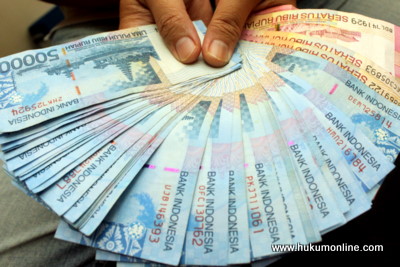 Learning from the 2008 crisis, Indonesia is in need of more efficacious guarantees to prevent the reoccurrence of a controversial banking bailout. To achieve this objective, the Minister of Finance, Bambang Brodjonegoro, believes that a proper financial safety net legal framework is the answer.
According to the Minister, a draft bill on a financial system safety net (“Draft Bill”) is the best way to provide the required security. The good news is the government is on its way to delivering a Draft Bill to the House.
"The Draft Bill aims to maintain the stability of the financial system and most importantly, to prevent criminalizing government policy," said the Minister last Saturday, referring to the contentious Bank Century bailout which led to criminal charges against one of Bank Indonesia’s top officials.
One important issue for the Draft Bill is the criteria for designation of a bank as a Systemically Important Domestic Bank (“SIDB”). If a bank is to be considered a SIDB it should be a significant, large-scale and high-income bank which if allowed to collapse would result in widespread damage to the national banking system. Moreover, the timing for designating a bank as ‘systemically important’ when it is near to collapse must be carefully determined.
Mr. Brodjonegoro also emphasizes the function of the Indonesia Deposit Insurance Corporation (“LPS”) in aiding a collapsed bank during a crisis. The relevant LPS provisions need to be stated with clear and concise wording to avoid any misinterpretations and prevent the Draft Bill being rejected by the House.
In 2008, the House refused to continue discussions on a financial system safety net law due to a lack of clear definitions for a systemic crisis and its mitigation. The House also took the view that the draft bill was weighted by political interests.
Currently, the government is still relying on the framework under the Financial Services Authority Law, however, this law only includes limited provisions in anticipation of a crisis through the role of the Coordinating Forum for Financial System Stability (“FKSSK”).
Given these circumstances, M. Misbakhun, lawmaker from the Functional Group Party (“Golkar”) faction, is urging that the Draft Bill be promptly issued and be based on stronger consensus between the government and the House about any potential financial crises.
"Let's arrange the Draft Bill to be our entrance point to overcome these puzzled circumstances," he concluded.
(hot/kc)
Anne Aprina Priskila, ANT
Learning from the 2008 crisis, Indonesia is in need of more efficacious guarantees to prevent the reoccurrence of a controversial banking bailout. To achieve this objective, the Minister of Finance, Bambang Brodjonegoro, believes that a proper financial safety net legal framework is the answer.According to the Minister, a draft bill on a financial system safety net (“Draft Bill”) is the best way to provide the required security. The good news is the government is on its way to delivering a Draft Bill to the House.
"The Draft Bill aims to maintain the stability of the financial system and most importantly, to prevent criminalizing government policy," said the Minister last Saturday, referring to the contentious Bank Century bailout which led to criminal charges against one of Bank Indonesia’s top officials.
One important issue for the Draft Bill is the criteria for designation of a bank as a Systemically Important Domestic Bank (“SIDB”). If a bank is to be considered a SIDB it should be a significant, large-scale and high-income bank which if allowed to collapse would result in widespread damage to the national banking system. Moreover, the timing for designating a bank as ‘systemically important’ when it is near to collapse must be carefully determined.
Mr. Brodjonegoro also emphasizes the function of the Indonesia Deposit Insurance Corporation (“LPS”) in aiding a collapsed bank during a crisis. The relevant LPS provisions need to be stated with clear and concise wording to avoid any misinterpretations and prevent the Draft Bill being rejected by the House.
In 2008, the House refused to continue discussions on a financial system safety net law due to a lack of clear definitions for a systemic crisis and its mitigation. The House also took the view that the draft bill was weighted by political interests.
Currently, the government is still relying on the framework under the Financial Services Authority Law, however, this law only includes limited provisions in anticipation of a crisis through the role of the Coordinating Forum for Financial System Stability (“FKSSK”).
Given these circumstances, M. Misbakhun, lawmaker from the Functional Group Party (“Golkar”) faction, is urging that the Draft Bill be promptly issued and be based on stronger consensus between the government and the House about any potential financial crises.
"Let's arrange the Draft Bill to be our entrance point to overcome these puzzled circumstances," he concluded.
(hot/kc)