


 Ada Pertanyaan? Hubungi Kami


 Ada Pertanyaan? Hubungi Kami
Novrieza Rahmi, IGAP Trisnajaya
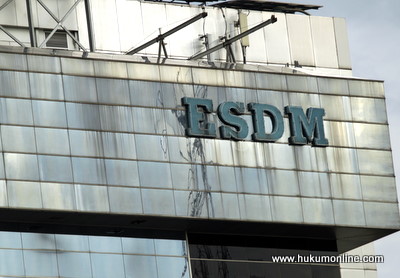 An NGO budget watchdog has charged six government ministries with being “lazy” in implementing their budget for 2012, indicating that although some other intervening factors played a role, those ministries did not implement their plans and programs to nearly the fullest extent.
In a press release last Sunday (23/12), the organization known by its abbreviation as “Seknas FITRA” identified six Ministries that did not fulfill their budget requests: Public Housing, Youth and Sport, Energy and Mineral Resources, Underdeveloped Region Development, Tourism and the Creative Economy, and Public Welfare.
Whereas the spending structure is set up to use 25% of the budget per quarter—reaching 100% spent by the end of the year—by the end of the second quarter it seemed that these ministries were far behind the 50% spending objective at that time. For example, the Ministry of Public Welfare had spent less than 20% of its budget request by the end of the second quarter.
The press release noted that by 30 November 2012—rapidly approaching the year’s end—the government had thus far spent a mere 72.8% of the budget. Fulfilling the spending objectives would entail spending IDR 29 billion per day until New Years.
“No wonder why in December, all the Ministries are making useless public service advertisements to spend their budget,” said Maulana, the author of Seknas FITRA’s press release; “government should be responsible with their public spending, since it is sourced from public taxes.”
Blame was attributed first to poor budget implementation procedures and personnel within the Ministries. The NGO argues that those public servants should receive a pay cut, if giving additional incentives for budget implementation was first unsuccessful.
The second factor identified by Seknas FITRA was systemic, regarding institutional blockages within the House of Representatives and Ministry of Finance. Both the House and the Directorate General of Budgeting at the Ministry of Finance have the authority to block the disbursement of funds, or at least create a bottleneck that reduces efficiency.
Maulana noted that Law No 17 of 2003 on State Finance “stipulates that budget allocation approval by Government and the House must be performed effectively”.
The press release called for greater transparency and commented that the Ministries are still reluctant to publish their budget reports to the public. Seknas FITRA argued that by opening the budget implementation process to wider audiences, as is legally obliged, the public could be involved in the oversight of budget implementation.
The following table was presented by the Seknas FITRA publication, titled, “Press Release for the Fiscal Year 2012 – Six Ministries Lazy in Fiscal Year”:
|
No. |
Ministry |
2012 Budget Allocation (in Billion) |
Spending up to 2nd Quarter (in Billion) |
Percentage to the State Budget |
|
1 |
State Ministry of Public Housing |
5.9285 |
110.1 |
1.9% |
|
2 |
State Ministry for Youth and Sport |
1.7579 |
74.6 |
4.2% |
|
3 |
Ministry of Energy and Mineral Resources |
16.2863 |
1.7529 |
10.8% |
|
4 |
State Ministry of Underdeveloped Region Development |
1.1538 |
125.8 |
10.9% |
|
5 |
Ministry of Tourism and the Creative Economy |
2.6720 |
476.8 |
17.8% |
|
6 |
Coordinating Ministry of Public Welfare |
222.3 |
42.9 |
19.3% |
(eli)
Novrieza Rahmi, IGAP Trisnajaya
An NGO budget watchdog has charged six government ministries with being “lazy” in implementing their budget for 2012, indicating that although some other intervening factors played a role, those ministries did not implement their plans and programs to nearly the fullest extent.
In a press release last Sunday (23/12), the organization known by its abbreviation as “Seknas FITRA” identified six Ministries that did not fulfill their budget requests: Public Housing, Youth and Sport, Energy and Mineral Resources, Underdeveloped Region Development, Tourism and the Creative Economy, and Public Welfare.
Whereas the spending structure is set up to use 25% of the budget per quarter—reaching 100% spent by the end of the year—by the end of the second quarter it seemed that these ministries were far behind the 50% spending objective at that time. For example, the Ministry of Public Welfare had spent less than 20% of its budget request by the end of the second quarter.
The press release noted that by 30 November 2012—rapidly approaching the year’s end—the government had thus far spent a mere 72.8% of the budget. Fulfilling the spending objectives would entail spending IDR 29 billion per day until New Years.
“No wonder why in December, all the Ministries are making useless public service advertisements to spend their budget,” said Maulana, the author of Seknas FITRA’s press release; “government should be responsible with their public spending, since it is sourced from public taxes.”
Blame was attributed first to poor budget implementation procedures and personnel within the Ministries. The NGO argues that those public servants should receive a pay cut, if giving additional incentives for budget implementation was first unsuccessful.
The second factor identified by Seknas FITRA was systemic, regarding institutional blockages within the House of Representatives and Ministry of Finance. Both the House and the Directorate General of Budgeting at the Ministry of Finance have the authority to block the disbursement of funds, or at least create a bottleneck that reduces efficiency.
Maulana noted that Law No 17 of 2003 on State Finance “stipulates that budget allocation approval by Government and the House must be performed effectively”.
The press release called for greater transparency and commented that the Ministries are still reluctant to publish their budget reports to the public. Seknas FITRA argued that by opening the budget implementation process to wider audiences, as is legally obliged, the public could be involved in the oversight of budget implementation.
The following table was presented by the Seknas FITRA publication, titled, “Press Release for the Fiscal Year 2012 – Six Ministries Lazy in Fiscal Year”:
|
No. |
Ministry |
2012 Budget Allocation (in Billion) |
Spending up to 2nd Quarter (in Billion) |
Percentage to the State Budget |
|
1 |
State Ministry of Public Housing |
5.9285 |
110.1 |
1.9% |
|
2 |
State Ministry for Youth and Sport |
1.7579 |
74.6 |
4.2% |
|
3 |
Ministry of Energy and Mineral Resources |
16.2863 |
1.7529 |
10.8% |
|
4 |
State Ministry of Underdeveloped Region Development |
1.1538 |
125.8 |
10.9% |
|
5 |
Ministry of Tourism and the Creative Economy |
2.6720 |
476.8 |
17.8% |
|
6 |
Coordinating Ministry of Public Welfare |
222.3 |
42.9 |
19.3% |
(eli)