


 Ada Pertanyaan? Hubungi Kami


 Ada Pertanyaan? Hubungi Kami
Agus Sahbani, Indra A Pambudy
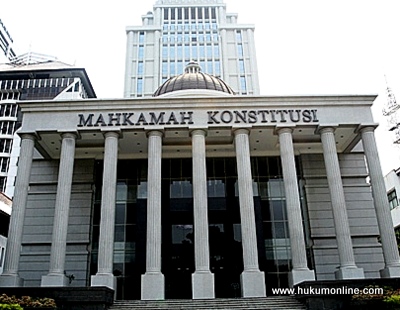 During a judicial review trial on Law No. 22 of 201 of Oil and Gas (“Oil and Gas Law”) on Tuesday (19/6), Irman Putra, a constitutional law expert, testified that oil and natural gas sales contracts should involve people’s representative institutions.
According to Irman, the meaning of resources being ruled by the state, under Article 33 of the Indonesian Constitution, does not automatically mean that the executives exercise exclusive authority over them. The government’s authority needs to be overseen.
“Overseeing natural resources utilization should be done by the people’s representative institutions, the DPR (House of Representatives), the DPD, as well as the DPRD. As such, the cooperation contract should go through the constitutional loop between the executives and the representatives,” said Irman.
The concept of involving the representatives may be carried out by way of consultation or confirmation, which allows the representatives to reject certain contracts.
The Constitutional Court is currently reviewing the Oil and Gas Law. In April 2012, a number of mass organizations applied for a judicial review on ten of its articles on the grounds of unconstitutionality, citing erosion of sovereignty over state resources, among other reasons. They collectively requested that the Oil and Gas Law be revoked.
Article 1 (19) of the Oil and Gas Law provides for a contract-based framework, commonly known as Kontrak Kerja Sama (Cooperation Contract) under which the Government may directly contract with foreign contractors in exploiting oil and gas resources.
In comparison, mineral and coal resources exploitation activities no longer operate under a contract-based framework. Under Law No. 4 of 2009 on Mineral and Coal (“Mining Law”), the terms of exploitation are stipulated under the law, instead of being contractually negotiated. Under the same Law, these contracts are to be managed by a government institution known as BP Migas.
One of the applicants, Achmad Hasyim Muzadi of Nadhlatul Ulama, a prominent Islamic mass organization, states that the Oil and Gas Law hinders the nation from developing its own natural resources.
“We own the oil and yet we sell it cheaply abroad and buy it back at an expensive price,” Achmad asserted
The applicants also believe that the Oil and Gas Law systematically affects the people’s livelihood and is detrimental to the state’s finances. This is because it liberalizes oil and gas management, which is currently dominated by foreign corporations up to 89%.
For its part, the Government maintained that the Oil and Gas Law is not pro-foreigners. The Government also maintained that BP Migas controls oil and gas exploitation for the benefit of the nation.
Evita Legowo of BP Migas asserted during a previous hearing on Thursday (24/5) that BP Migas is neutral. Above all, it acts as a buffer between the Government and private contractors, so that they do not contract with the state on equal terms. As such, it was hoped that the state could avoid disputes arising out of such contracts.
(hot/jt)
Agus Sahbani, Indra A Pambudy
During a judicial review trial on Law No. 22 of 201 of Oil and Gas (“Oil and Gas Law”) on Tuesday (19/6), Irman Putra, a constitutional law expert, testified that oil and natural gas sales contracts should involve people’s representative institutions.
According to Irman, the meaning of resources being ruled by the state, under Article 33 of the Indonesian Constitution, does not automatically mean that the executives exercise exclusive authority over them. The government’s authority needs to be overseen.
“Overseeing natural resources utilization should be done by the people’s representative institutions, the DPR (House of Representatives), the DPD, as well as the DPRD. As such, the cooperation contract should go through the constitutional loop between the executives and the representatives,” said Irman.
The concept of involving the representatives may be carried out by way of consultation or confirmation, which allows the representatives to reject certain contracts.
The Constitutional Court is currently reviewing the Oil and Gas Law. In April 2012, a number of mass organizations applied for a judicial review on ten of its articles on the grounds of unconstitutionality, citing erosion of sovereignty over state resources, among other reasons. They collectively requested that the Oil and Gas Law be revoked.
Article 1 (19) of the Oil and Gas Law provides for a contract-based framework, commonly known as Kontrak Kerja Sama (Cooperation Contract) under which the Government may directly contract with foreign contractors in exploiting oil and gas resources.
In comparison, mineral and coal resources exploitation activities no longer operate under a contract-based framework. Under Law No. 4 of 2009 on Mineral and Coal (“Mining Law”), the terms of exploitation are stipulated under the law, instead of being contractually negotiated. Under the same Law, these contracts are to be managed by a government institution known as BP Migas.
One of the applicants, Achmad Hasyim Muzadi of Nadhlatul Ulama, a prominent Islamic mass organization, states that the Oil and Gas Law hinders the nation from developing its own natural resources.
“We own the oil and yet we sell it cheaply abroad and buy it back at an expensive price,” Achmad asserted
The applicants also believe that the Oil and Gas Law systematically affects the people’s livelihood and is detrimental to the state’s finances. This is because it liberalizes oil and gas management, which is currently dominated by foreign corporations up to 89%.
For its part, the Government maintained that the Oil and Gas Law is not pro-foreigners. The Government also maintained that BP Migas controls oil and gas exploitation for the benefit of the nation.
Evita Legowo of BP Migas asserted during a previous hearing on Thursday (24/5) that BP Migas is neutral. Above all, it acts as a buffer between the Government and private contractors, so that they do not contract with the state on equal terms. As such, it was hoped that the state could avoid disputes arising out of such contracts.
(hot/jt)