


 Ada Pertanyaan? Hubungi Kami


2026 Hak Cipta Milik Hukumonline.com
Produk Pilihan


 Ada Pertanyaan? Hubungi Kami
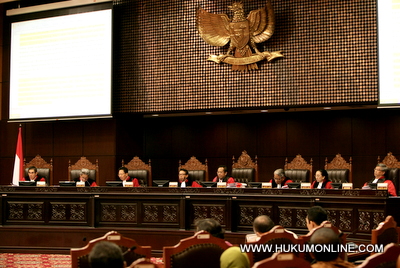 Law No. 17 of 2011 on State Intelligence (“Intelligence Law”) was one of the most-discussed and highly-debated laws of 2011. During the drafting process, there were many questions about whether the State Intelligence Agency (Badan Intelijen Negara – BIN) needs to have the authority to detain and arrest people.
Other issues arose about whether a court order/warrant is necessary before BIN can wiretap and/or intercept communications; and how to supervise intelligence practices to make sure they comply with democratic principles.
Even though parliament has passed the bill and the president has signed it into law, the debate over intelligence issues is still ongoing. A number of non-governmental organizations are concerned about human rights, and a few citizens who claim they were victims of state intelligence operations in the past have filed a petition for judicial review of the Intelligence Law.
The applicants include Alpha Alliance of Independent Journalists (Aliansi Jurnalis Independen), Elsam, Imparsial, Setara Institute, Yayasan Lembaga Bantuan Hukum Indonesia (YLBHI) and 18 citizens.
They requested a judicial review of 16 articles in the Intelligence Law: Article 1 (4), (6), and (8); Article 6 (3); Article 22 (1); Article 25 (2) and (4); Article 26; Article 29 (d); Article 31; and Article 34. They also want the court to review the elucidation of Article 32 (1), Article 36, Article 44 and Article 45.
The applicants argue that the abovementioned articles should be revoked, since they threaten civil rights, human rights and freedom of the press. According to the applicants, these articles also contradict human rights principles and the 1945 Constitution, and have the potential to harm the constitutional rights of citizens.
During the judicial review trial, Muladi, a professor of criminal law from Universitas Diponegoro, argued that the Intelligence Law reflects a democratic process. Therefore, he asserted that it is too soon to evaluate it.
"The enforcement of this law still can’t be evaluated, because it was just enacted," Muladi said, at the Constitutional Court (MK), Tuesday (20/3).
He explained that any future amendment to the Intelligence Law should not merely revise public-related issues, but also consider “the insider” or the intelligence agencies itself. "Intelligence stakeholders should be more responsible for the effectiveness and efficiency of the law," he explained.
Furthermore, Muladi said that Indonesian intelligence is better than other countries. "Intelligence in other countries still focus on four functions of intelligence: collection, analysis, counterintelligence, and covert action. Indonesian intelligence is more specific and complex," he added.
Yusril Ihza Mahendra, another expert who testified before the court, argued that it is not clear what the applicants’ constitutional loss is yet. "Their petition is based on past experience. Their fear that the same experience will happen again, because the Intelligence Law was enacted is debatable. The time and the regime have changed," Yusril emphasized.
(Agus Sahbani / Batara Parlindungan)
Law No. 17 of 2011 on State Intelligence (“Intelligence Law”) was one of the most-discussed and highly-debated laws of 2011. During the drafting process, there were many questions about whether the State Intelligence Agency (Badan Intelijen Negara – BIN) needs to have the authority to detain and arrest people.
Other issues arose about whether a court order/warrant is necessary before BIN can wiretap and/or intercept communications; and how to supervise intelligence practices to make sure they comply with democratic principles.
Even though parliament has passed the bill and the president has signed it into law, the debate over intelligence issues is still ongoing. A number of non-governmental organizations are concerned about human rights, and a few citizens who claim they were victims of state intelligence operations in the past have filed a petition for judicial review of the Intelligence Law.
The applicants include Alpha Alliance of Independent Journalists (Aliansi Jurnalis Independen), Elsam, Imparsial, Setara Institute, Yayasan Lembaga Bantuan Hukum Indonesia (YLBHI) and 18 citizens.
They requested a judicial review of 16 articles in the Intelligence Law: Article 1 (4), (6), and (8); Article 6 (3); Article 22 (1); Article 25 (2) and (4); Article 26; Article 29 (d); Article 31; and Article 34. They also want the court to review the elucidation of Article 32 (1), Article 36, Article 44 and Article 45.
The applicants argue that the abovementioned articles should be revoked, since they threaten civil rights, human rights and freedom of the press. According to the applicants, these articles also contradict human rights principles and the 1945 Constitution, and have the potential to harm the constitutional rights of citizens.
During the judicial review trial, Muladi, a professor of criminal law from Universitas Diponegoro, argued that the Intelligence Law reflects a democratic process. Therefore, he asserted that it is too soon to evaluate it.
"The enforcement of this law still can’t be evaluated, because it was just enacted," Muladi said, at the Constitutional Court (MK), Tuesday (20/3).
He explained that any future amendment to the Intelligence Law should not merely revise public-related issues, but also consider “the insider” or the intelligence agencies itself. "Intelligence stakeholders should be more responsible for the effectiveness and efficiency of the law," he explained.
Furthermore, Muladi said that Indonesian intelligence is better than other countries. "Intelligence in other countries still focus on four functions of intelligence: collection, analysis, counterintelligence, and covert action. Indonesian intelligence is more specific and complex," he added.
Yusril Ihza Mahendra, another expert who testified before the court, argued that it is not clear what the applicants’ constitutional loss is yet. "Their petition is based on past experience. Their fear that the same experience will happen again, because the Intelligence Law was enacted is debatable. The time and the regime have changed," Yusril emphasized.
(Agus Sahbani / Batara Parlindungan)