


 Ada Pertanyaan? Hubungi Kami


 Ada Pertanyaan? Hubungi Kami
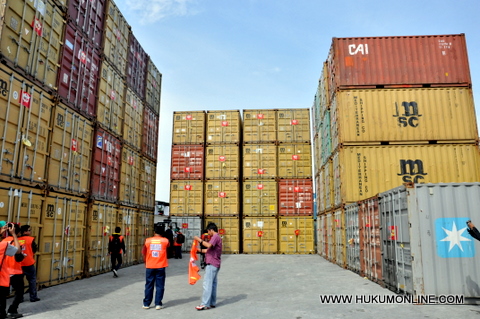 Exporters should be aware of their bussinesses, due to the issuance of Minister of Finance Regulation (PMK) No. 253/PMK.04/2011 on the Import Duties Reimbursement on Goods and Materials for the Purpose of Processing, Assembling, or Attaching to Other Exported Goods (“PMK 253”); and PMK No 254/PMK.04/2011 on Import Duties Exemption on on Goods and Materials for the Purpose of Processing, Assembling, or Attaching to Other Exported Goods (“PMK 254”). The regulation was formerly known as Import Ease for Export Purpose (kemudahan impor tujuan ekspor – KITE).
If exporters violate the PMK, they would be subject to enormous fine. “The fine is set at 100 percent at minimum, and 500 percent at maximum of the goods value,” said Nasar Salim, Director of the Customs Facilities at the Directorate General of Customs and Excise (DBJC), Friday (27/1).
PMK 254 regulates provisions on fine, supension and revocation of the Company Exemption Registration Number (NIPER Pembebasan/NIPER). Meanwhile, PMK 253 only regulates about supension and revocation of NIPER.
Fine will be imposed when an exporter loads or unloads goods, outside an area under the NIPER; not exporting or reporting produced goods until the exemption period; not doing the processes (processing,assembling, attaching) by itself; not processing, assembling, attaching, exporting, and reporting the goods in an accountable report.
Furthermore, fine can also be imposed if an exporter does not submit a report, or the report was rejected on the exemption period deadline, not fulfilling sub-contracts, and if the actual goods exceed the number of reported goods.
Provisions regarding suspension and revocation of NIPER are regulated in both PMKs. NIPER will be suspended if an exporter does not submit alteration on reimbursement NIPER data; does not settle its debs on time; does not return overpayment reimbursement; does not submit a report on raw material usage; does not submit documents for monitoring and evaluation purposes; and allegedly conducts customs crime.
Exporter’s NIPER can be revoked if it already suspended, and the company does not comply with the PMK provisions. Revocation of a company’s NIPER can also be caused by disclaimer opinion on the financial reports; not conducting bookkeeping in accordance with accounting principle; not having bookkeeping for 10 years; not submitting documents for audit; not fullfilling the requirements to obtain Reimbursement NIPER; not submitting a NIPER revocation request.
With the two PMKs present, exporters are expected to be honest. Nasar also added, exporters have to report their goods production in 12 months period to DJBC. “In the old regulation we can give 12 months time extention, while the current regulation can’t. For production exceeding 12 months, they have to report in advance,” Nasar said.
(Fitri Novia Heriani / Mahinda Arkyasa)
Exporters should be aware of their bussinesses, due to the issuance of Minister of Finance Regulation (PMK) No. 253/PMK.04/2011 on the Import Duties Reimbursement on Goods and Materials for the Purpose of Processing, Assembling, or Attaching to Other Exported Goods (“PMK 253”); and PMK No 254/PMK.04/2011 on Import Duties Exemption on on Goods and Materials for the Purpose of Processing, Assembling, or Attaching to Other Exported Goods (“PMK 254”). The regulation was formerly known as Import Ease for Export Purpose (kemudahan impor tujuan ekspor – KITE).
If exporters violate the PMK, they would be subject to enormous fine. “The fine is set at 100 percent at minimum, and 500 percent at maximum of the goods value,” said Nasar Salim, Director of the Customs Facilities at the Directorate General of Customs and Excise (DBJC), Friday (27/1).
PMK 254 regulates provisions on fine, supension and revocation of the Company Exemption Registration Number (NIPER Pembebasan/NIPER). Meanwhile, PMK 253 only regulates about supension and revocation of NIPER.
Fine will be imposed when an exporter loads or unloads goods, outside an area under the NIPER; not exporting or reporting produced goods until the exemption period; not doing the processes (processing,assembling, attaching) by itself; not processing, assembling, attaching, exporting, and reporting the goods in an accountable report.
Furthermore, fine can also be imposed if an exporter does not submit a report, or the report was rejected on the exemption period deadline, not fulfilling sub-contracts, and if the actual goods exceed the number of reported goods.
Provisions regarding suspension and revocation of NIPER are regulated in both PMKs. NIPER will be suspended if an exporter does not submit alteration on reimbursement NIPER data; does not settle its debs on time; does not return overpayment reimbursement; does not submit a report on raw material usage; does not submit documents for monitoring and evaluation purposes; and allegedly conducts customs crime.
Exporter’s NIPER can be revoked if it already suspended, and the company does not comply with the PMK provisions. Revocation of a company’s NIPER can also be caused by disclaimer opinion on the financial reports; not conducting bookkeeping in accordance with accounting principle; not having bookkeeping for 10 years; not submitting documents for audit; not fullfilling the requirements to obtain Reimbursement NIPER; not submitting a NIPER revocation request.
With the two PMKs present, exporters are expected to be honest. Nasar also added, exporters have to report their goods production in 12 months period to DJBC. “In the old regulation we can give 12 months time extention, while the current regulation can’t. For production exceeding 12 months, they have to report in advance,” Nasar said.
(Fitri Novia Heriani / Mahinda Arkyasa)