


 Ada Pertanyaan? Hubungi Kami


 Ada Pertanyaan? Hubungi Kami
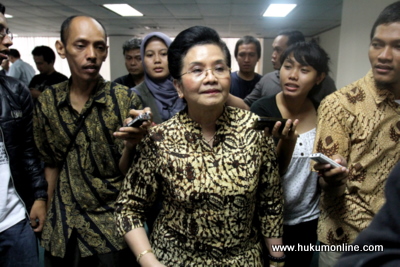 The former Minister of Health, Siti Fadilah Supari criticized the drafting process for the Bill on the Social Security Agency (Badan Pengelola Jaminan Sosial – BPJS), claiming there were procedural and substantive flaws. According to Siti Fadilah, approximately 10 articles were not discussed. Despite the lack of discussion, the House of Representatives (DPR) approved the bill on 28 October 2011.
In Siti Fadilah’s opinion, the DPR and government spent a lot of time debating the consolidation of state owned enterprises (Badan Usaha Milik Negara – BUMN) that have been handling the National Social Security System. As a result, there wasn’t time to fully discuss several articles in the Bill before the DPR plenary session finally decided to pass the bill. “This is a procedural flaw”, said Siti Fadilah at a seminar in the Law Faculty of Indonesia University, Depok, Monday (14/11).
Siti Fadilah claims that she already discussed the technical legal issues with Yusril Ihza Mahendra. Based on that discussion, Siti Fadilah concluded that there were legal flaws in the drafting process for the BPJS Bill. In addition, Siti Fadilah has learned from experience about the drafting process. For example, when the DPR was drafting the Health Bill, changes could be made at any time, until the Bill was passed by the DPR. Consequently, an article regulating tobacco was suddenly omitted during the drafting process.
Besides the procedural flaws, Siti Fadilah also criticized the substance of the BPJS Bill, because some articles allow discriminative practices and foreign involvement. In addition, there are several articles that create opportunities for BPJS to make investments, such as the Article 7 (3) (b).
She also criticized Article 59 (a), which states that only basic medical illnesses will be taken care of by BPJS, as opposed to the People’s Health Insurance (Jaminan Kesehatan Masyarakat – Jamkesmas), which covers all illnesses. She was also critical of using insurance premiums to pay the BPJS director, employees and trustees. “This will use public funds,” she said.
The Chairperson of the Social Security Action Committee (Komisi Aksi Jaminan Sosial), M Said Iqbal, said that the BPJS Bill is criticized for three things: discriminative clauses, limitation issues, and the legal status of social security entities. Iqbal believes that nonprofit principles are not suitable, given the current legal entity status of the National Social Security System. It turns out that Jamsostek, Askes, and Asabri are limited liability companies. “A limited liability company will be profit oriented,” said Iqbal at the same event.
Siti Fadilah argues that several articles in the BPJS Bill reflect a liberal capitalist ideology. The limited liability company legal status of the social security organizer can’t be separated fromthe private principles embodied in Law No. 40 of 2004 on the National Social Security System (Sistem Jaminan Sosial Nasional – SJSN). Funds collected from insurance premiums will be managed by a limited liability company and not by the government.
The BPJS Bill is intended to organize the Health Insurance Program, Work Accident Insurance Program, Life Insurance Program, Insurance Program for the elderly and Retirement Insurance Program. Based on the BPJS Bill, two institutions will be established. BPJS I will organize the Health Insurance Program; while BPJS II will handle the other programs. The Health Insurance Program will begin operating on 1 January 2014. However, the Workers Social Welfare Program begin operating on 1 January 2015.
Iqbal determined that the premium fee payment requirement is discriminative. Workers are only covered by social security while they are employed. Meanwhile, civil servants, the National Police, and members of the Indonesian Army are covered for life. In addition, only workers and entrepreneurs must pay the premium fee. The government will not allocate funds from the budget for the premium fee, even though the government receives dividends and profit.
These weaknesses prompted several people to decide to file a judicial review petition once the BPJS Bill is signed by the President. This shows us that many interests were involved in the drafting process. Siti Fadilah also said that there was foreign interference during the drafting process for the SJSN Law and BPJS Bill.
(Muhammad Yasin/Adi Condro Bawono)
The former Minister of Health, Siti Fadilah Supari criticized the drafting process for the Bill on the Social Security Agency (Badan Pengelola Jaminan Sosial – BPJS), claiming there were procedural and substantive flaws. According to Siti Fadilah, approximately 10 articles were not discussed. Despite the lack of discussion, the House of Representatives (DPR) approved the bill on 28 October 2011.
In Siti Fadilah’s opinion, the DPR and government spent a lot of time debating the consolidation of state owned enterprises (Badan Usaha Milik Negara – BUMN) that have been handling the National Social Security System. As a result, there wasn’t time to fully discuss several articles in the Bill before the DPR plenary session finally decided to pass the bill. “This is a procedural flaw”, said Siti Fadilah at a seminar in the Law Faculty of Indonesia University, Depok, Monday (14/11).
Siti Fadilah claims that she already discussed the technical legal issues with Yusril Ihza Mahendra. Based on that discussion, Siti Fadilah concluded that there were legal flaws in the drafting process for the BPJS Bill. In addition, Siti Fadilah has learned from experience about the drafting process. For example, when the DPR was drafting the Health Bill, changes could be made at any time, until the Bill was passed by the DPR. Consequently, an article regulating tobacco was suddenly omitted during the drafting process.
Besides the procedural flaws, Siti Fadilah also criticized the substance of the BPJS Bill, because some articles allow discriminative practices and foreign involvement. In addition, there are several articles that create opportunities for BPJS to make investments, such as the Article 7 (3) (b).
She also criticized Article 59 (a), which states that only basic medical illnesses will be taken care of by BPJS, as opposed to the People’s Health Insurance (Jaminan Kesehatan Masyarakat – Jamkesmas), which covers all illnesses. She was also critical of using insurance premiums to pay the BPJS director, employees and trustees. “This will use public funds,” she said.
The Chairperson of the Social Security Action Committee (Komisi Aksi Jaminan Sosial), M Said Iqbal, said that the BPJS Bill is criticized for three things: discriminative clauses, limitation issues, and the legal status of social security entities. Iqbal believes that nonprofit principles are not suitable, given the current legal entity status of the National Social Security System. It turns out that Jamsostek, Askes, and Asabri are limited liability companies. “A limited liability company will be profit oriented,” said Iqbal at the same event.
Siti Fadilah argues that several articles in the BPJS Bill reflect a liberal capitalist ideology. The limited liability company legal status of the social security organizer can’t be separated fromthe private principles embodied in Law No. 40 of 2004 on the National Social Security System (Sistem Jaminan Sosial Nasional – SJSN). Funds collected from insurance premiums will be managed by a limited liability company and not by the government.
The BPJS Bill is intended to organize the Health Insurance Program, Work Accident Insurance Program, Life Insurance Program, Insurance Program for the elderly and Retirement Insurance Program. Based on the BPJS Bill, two institutions will be established. BPJS I will organize the Health Insurance Program; while BPJS II will handle the other programs. The Health Insurance Program will begin operating on 1 January 2014. However, the Workers Social Welfare Program begin operating on 1 January 2015.
Iqbal determined that the premium fee payment requirement is discriminative. Workers are only covered by social security while they are employed. Meanwhile, civil servants, the National Police, and members of the Indonesian Army are covered for life. In addition, only workers and entrepreneurs must pay the premium fee. The government will not allocate funds from the budget for the premium fee, even though the government receives dividends and profit.
These weaknesses prompted several people to decide to file a judicial review petition once the BPJS Bill is signed by the President. This shows us that many interests were involved in the drafting process. Siti Fadilah also said that there was foreign interference during the drafting process for the SJSN Law and BPJS Bill.
(Muhammad Yasin/Adi Condro Bawono)