


 Ada Pertanyaan? Hubungi Kami


 Ada Pertanyaan? Hubungi Kami
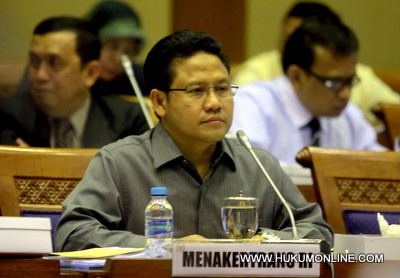 The conflict between workers and the management of PT Freeport Indonesia is still ongoing, despite two separate mediation efforts.The mediation facilitated by the Minister of Manpower and Transmigration (Menakertrans) and Commission IX of the House of Representatives (DPR) is stagnant, while the mediation facilitated by the Mimika Regency Government hasn’t reacheda settlement.
The mediation process facilitated by Menakertrans has made no progress. However, Menakertrans is still being pressured to resolve the conflict, since Menakertrans is authorized to handle labor issues.
The Indonesian Advocates Organization (Organisasi Advokat Indonesia - OAI) has been urging Menakertrans to resolve the conflict. The Head of Human Relationsand Research at OAI, Adi Partogi Singal Simbolon, said that OAI demands that Menakertrans act fast to resolve this issue.
In addition, OAI also urges Freeport to immediately increase wages and make outsourced workers who have been working for Freeport for more than six years permanent employees. OAI also urges all foreign workersin Freeport to leave Papua and Jakarta.
OAI gave Menakertrans seven days to resolve the issue. If the conflict remains unresolved,OAI will bring this issue to the International Labor Organization (ILO) and the United Nations Human Rights Council.
Similar comments also came froma coalition ofcivil society organizations that includes:the Commission for the Disappeared and Victims of Violence (Komisi Untuk Orang Hilang dan Korban Tindak Kekerasan – Kontras); the Indonesia Legal Aid Foundation (Yayasan Lembaga Bantuan Hukum Indonesia – YLBHI); The Papuan NGOs Cooperation Forum (Foker LSM Papua); the Indonesian Corruption Watch (ICW); and Friends of the Earth Indonesia (Wahana Lingkungan Hidup Indonesia – Walhi).
In a press release obtained by hukumonline, the coalition demands that Freeport care for the welfare of their workers. The coalition also criticized Freeport for using law enforcers as a shield. In addition, the coalition was disappointed with the Minika Police Precinct, which sent a letter to the SPSI PT Freeport.
In the Mimika Police Precinct letter No. B/174/X/2011/Res Mimikadated 30 October 2011, the Head of the Mimika Police Precinct, Deny Edward Siregar,asked Freeport workers who are strikingon Road CP.1 Mile 28, Mile 27 and in the culverts to return to the CP. Utara Lima Kuala Kencana. Previously,these roads were occupied by workers and local residents. As a result, law enforcers gave the workers an ultimatum. If the workers have not complied with their request within 48 hours,the police will take firm measures.
Meanwhile, the only ongoing mediation process isbeing facilitated by the Mimika Regency Government. This ongoing mediation is using negotiation techniques based on local culture. “We are still prioritizing conflict resolution with a cultural dialog,” said the Secretary for Industrial Relations from the Pan-Indonesia Labor Union’ (serikat pekerja seluruh indonesia – SPSI), Tri Puspital, when interviewed at theJakarta Legal Aid Institution (LBH), Monday (31/10).
Audit Jurisdiction
In another matter, a spokesperson for the Corruption Eradication Commission (KPK), Johan Budi said that he cannot confirm whether the Freeport funds that were used by law enforcers to provide security services can be categorized as a gratuityvor not.
According to Johan, the funding should be studied first, to determine whether the money that Freeport paid was part of a mining contract with the government or not. Johan said, “Both the central government or local government could have a contract. The local government can [make a contract] through Muspida.” The Local Consultative Council (Musyawarah Pimpinan Daerah – Muspida) can be used by the local government to make a contract.
In addition, there is a possibility that the Freeport contract involves law enforcers. It may “include law enforcersin there, including the police force,” Johan said to a reporter in Jakarta, Monday (31/10).
Furthermore, Johan explained thatif the funds from Freeport are not iillicit payments,then a state auditing institution should make the first assessment. “A state auditing institution, such as the Supreme Audit Agency (BPK) or the Financial and Development Supervisory Agency (BPKP) can audit this [case]. So before that happens we [KPK] can’t directly enter this case,”.
(Ady TD Achmad/Fathan Qorib/Adi Condro Bawono)
The conflict between workers and the management of PT Freeport Indonesia is still ongoing, despite two separate mediation efforts.The mediation facilitated by the Minister of Manpower and Transmigration (Menakertrans) and Commission IX of the House of Representatives (DPR) is stagnant, while the mediation facilitated by the Mimika Regency Government hasn’t reacheda settlement.
The mediation process facilitated by Menakertrans has made no progress. However, Menakertrans is still being pressured to resolve the conflict, since Menakertrans is authorized to handle labor issues.
The Indonesian Advocates Organization (Organisasi Advokat Indonesia - OAI) has been urging Menakertrans to resolve the conflict. The Head of Human Relationsand Research at OAI, Adi Partogi Singal Simbolon, said that OAI demands that Menakertrans act fast to resolve this issue.
In addition, OAI also urges Freeport to immediately increase wages and make outsourced workers who have been working for Freeport for more than six years permanent employees. OAI also urges all foreign workersin Freeport to leave Papua and Jakarta.
OAI gave Menakertrans seven days to resolve the issue. If the conflict remains unresolved,OAI will bring this issue to the International Labor Organization (ILO) and the United Nations Human Rights Council.
Similar comments also came froma coalition ofcivil society organizations that includes:the Commission for the Disappeared and Victims of Violence (Komisi Untuk Orang Hilang dan Korban Tindak Kekerasan – Kontras); the Indonesia Legal Aid Foundation (Yayasan Lembaga Bantuan Hukum Indonesia – YLBHI); The Papuan NGOs Cooperation Forum (Foker LSM Papua); the Indonesian Corruption Watch (ICW); and Friends of the Earth Indonesia (Wahana Lingkungan Hidup Indonesia – Walhi).
In a press release obtained by hukumonline, the coalition demands that Freeport care for the welfare of their workers. The coalition also criticized Freeport for using law enforcers as a shield. In addition, the coalition was disappointed with the Minika Police Precinct, which sent a letter to the SPSI PT Freeport.
In the Mimika Police Precinct letter No. B/174/X/2011/Res Mimikadated 30 October 2011, the Head of the Mimika Police Precinct, Deny Edward Siregar,asked Freeport workers who are strikingon Road CP.1 Mile 28, Mile 27 and in the culverts to return to the CP. Utara Lima Kuala Kencana. Previously,these roads were occupied by workers and local residents. As a result, law enforcers gave the workers an ultimatum. If the workers have not complied with their request within 48 hours,the police will take firm measures.
Meanwhile, the only ongoing mediation process isbeing facilitated by the Mimika Regency Government. This ongoing mediation is using negotiation techniques based on local culture. “We are still prioritizing conflict resolution with a cultural dialog,” said the Secretary for Industrial Relations from the Pan-Indonesia Labor Union’ (serikat pekerja seluruh indonesia – SPSI), Tri Puspital, when interviewed at theJakarta Legal Aid Institution (LBH), Monday (31/10).
Audit Jurisdiction
In another matter, a spokesperson for the Corruption Eradication Commission (KPK), Johan Budi said that he cannot confirm whether the Freeport funds that were used by law enforcers to provide security services can be categorized as a gratuityvor not.
According to Johan, the funding should be studied first, to determine whether the money that Freeport paid was part of a mining contract with the government or not. Johan said, “Both the central government or local government could have a contract. The local government can [make a contract] through Muspida.” The Local Consultative Council (Musyawarah Pimpinan Daerah – Muspida) can be used by the local government to make a contract.
In addition, there is a possibility that the Freeport contract involves law enforcers. It may “include law enforcersin there, including the police force,” Johan said to a reporter in Jakarta, Monday (31/10).
Furthermore, Johan explained thatif the funds from Freeport are not iillicit payments,then a state auditing institution should make the first assessment. “A state auditing institution, such as the Supreme Audit Agency (BPK) or the Financial and Development Supervisory Agency (BPKP) can audit this [case]. So before that happens we [KPK] can’t directly enter this case,”.
(Ady TD Achmad/Fathan Qorib/Adi Condro Bawono)