


 Ada Pertanyaan? Hubungi Kami


 Ada Pertanyaan? Hubungi Kami
 The moratorium on sending Indonesian migrant workers (TKI) in the domestic sector (PRT) to Malaysia will end soon. The Indonesian government, through the Ministry of Manpower and Transmigration (Kemenakertrans), will start sending Indonesian migrant workers to Malaysia on 1 December 2011. The Moratorium has been in effect since 25 June 2009.
The first step toward ending the moratorium occured when Indonesia and Malaysia signed a protocol or Memorandum of Understanding (MoU) amendment regarding Indonesian migrant workers placement and protection in Malaysia on May 30, 2011.
In the MoU, both Indonesia and Malaysia agreed to improve Indonesian migrant workers placement and protection. These improvements include letting migrant workers hold their own passport, requiring holidays and weekly leave, controlling placement costs, and providing access to communication.
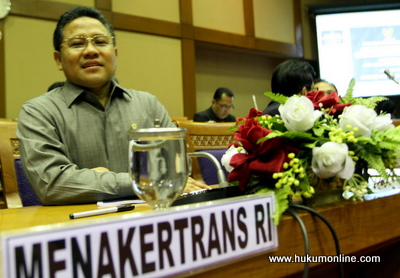
Now, the two countries are in the final stages of lifting the moratorium. According to the Kemenakertrans website last Friday (21/10), the Minister of Manpower and Transmigration, Muhaimin Iskandar said the final process to lift the moratorium has begun.
In addition, Indonesian President Susilo Bambang Yudhoyono (SBY) and the Prime Minister of Malaysia, Dato’ Sri Mohammad Najib Tun Abdul Razak, already met and discussed the status of the moratorium in Central Lombok on October 20, 2011.
According to Muhaimin, Indonesia and Malaysia have had a series of bilateral meetings, in the form of Joint Work Group (JWG) forums and Joint Task Forces (JTF), to prepare for the return of Indonesian migrant workers to Malaysia. Both countries will complete a final evaluation regarding the revocation of the moratorium and preparations for protecting Indonesian Migrant Workers.
“The final evaluation will be conducted on November 19, 2011 by the JTF to discuss the agreement to amend the memorandum of understanding (MoU) signed in Bandung, May 2011,” he said.
One of the most crucial requirements to lift the moratorium is the salary adjustment. An employer should pay Indonesian migrant workers a salary according to the market standard, currently the minimum wage in Malaysia is 700 RM per month.
In addition, there must also be some assurance that Indonesian migrant workers will not face placement fee deductions that are greater than 1.800 RM throughout their stay in Malaysia.
“TKI salary payment should be made via bank transfer, and [ed.the employer should] make sure the insurance levy payment is in accordance with the workmen comparative act,” said Muhaimin.
Muhaimin claims that the government has conducted institution synchronization evaluations of all agencies related to the placement and protection of Indonesian migrant workers. The efforts to protect Indonesian migrant workers begin during the recruitment process and continue until the migrant worker safely arrives in their home town.
The government is also preparing a concept to standardize competency in order to improve the placement and protection process, this includes revitalizing job training centers (Balai Latihan Kerja/BLK) that prepare prospective migrant workers.
“The government will prohibit Indonesian migrant workers from working abroad if they are not prepared,” he said.
(M Agus Yozami / Adi Condro Bawono)
The moratorium on sending Indonesian migrant workers (TKI) in the domestic sector (PRT) to Malaysia will end soon. The Indonesian government, through the Ministry of Manpower and Transmigration (Kemenakertrans), will start sending Indonesian migrant workers to Malaysia on 1 December 2011. The Moratorium has been in effect since 25 June 2009.
The first step toward ending the moratorium occured when Indonesia and Malaysia signed a protocol or Memorandum of Understanding (MoU) amendment regarding Indonesian migrant workers placement and protection in Malaysia on May 30, 2011.
In the MoU, both Indonesia and Malaysia agreed to improve Indonesian migrant workers placement and protection. These improvements include letting migrant workers hold their own passport, requiring holidays and weekly leave, controlling placement costs, and providing access to communication.
Now, the two countries are in the final stages of lifting the moratorium. According to the Kemenakertrans website last Friday (21/10), the Minister of Manpower and Transmigration, Muhaimin Iskandar said the final process to lift the moratorium has begun.
In addition, Indonesian President Susilo Bambang Yudhoyono (SBY) and the Prime Minister of Malaysia, Dato’ Sri Mohammad Najib Tun Abdul Razak, already met and discussed the status of the moratorium in Central Lombok on October 20, 2011.
According to Muhaimin, Indonesia and Malaysia have had a series of bilateral meetings, in the form of Joint Work Group (JWG) forums and Joint Task Forces (JTF), to prepare for the return of Indonesian migrant workers to Malaysia. Both countries will complete a final evaluation regarding the revocation of the moratorium and preparations for protecting Indonesian Migrant Workers.
“The final evaluation will be conducted on November 19, 2011 by the JTF to discuss the agreement to amend the memorandum of understanding (MoU) signed in Bandung, May 2011,” he said.
One of the most crucial requirements to lift the moratorium is the salary adjustment. An employer should pay Indonesian migrant workers a salary according to the market standard, currently the minimum wage in Malaysia is 700 RM per month.
In addition, there must also be some assurance that Indonesian migrant workers will not face placement fee deductions that are greater than 1.800 RM throughout their stay in Malaysia.
“TKI salary payment should be made via bank transfer, and [ed.the employer should] make sure the insurance levy payment is in accordance with the workmen comparative act,” said Muhaimin.
Muhaimin claims that the government has conducted institution synchronization evaluations of all agencies related to the placement and protection of Indonesian migrant workers. The efforts to protect Indonesian migrant workers begin during the recruitment process and continue until the migrant worker safely arrives in their home town.
The government is also preparing a concept to standardize competency in order to improve the placement and protection process, this includes revitalizing job training centers (Balai Latihan Kerja/BLK) that prepare prospective migrant workers.
“The government will prohibit Indonesian migrant workers from working abroad if they are not prepared,” he said.
(M Agus Yozami / Adi Condro Bawono)