


 Ada Pertanyaan? Hubungi Kami


 Ada Pertanyaan? Hubungi Kami
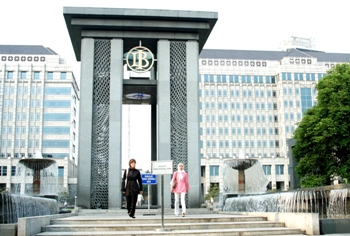 Commission XI of the House of Representatives (DPR) is ready to revise Law No. 10 of 1998 on Banking. This revision is part of the government’s effort to establish equal treatment for local banks operating in foreign countries and foreign banks operating in Indonesia (reciprocal rules).
Member of Commission XI, Maruarar Sirait, asked the government, Bank Indonesia (BI), and national banking industry to discuss reciprocal rules and create a special team to prepare a strategy for dealing with foreign banks. “The special team will consist of the DPR, bankers, lawyers, and BI,“ Maruarar explained, Thursday (6/10).
According to Maruarar, BI has not fought agressively enough for local banks. Even, claims for equal treatment between local banks and foreign banks have dragged on for too long. If the solution is to amend the BI Regulation or Banking Law, he stated that Commission XI is ready to assist. He said, “a BI Regulation on reciprocal rules should be established. If the government needs to revise the Banking Law, then do it.”
It should be noted, the notion of limiting foreign ownership re-surfaced after local bankers complained about the difficulty of opening branches overseas, due to the absence of an equality principle with foreign banks that open branches in Indonesia.
Chairman of the State-Owned Banks Association (Himpunan Bank-Bank Milik Negara/ Himbara), Gatot M. Suwondo, had an opportunity to ask DPR and BI to issue a regulation that requires reciprocal treatment between foreign banks that intend to operate in Indonesia and Indonesian banks that intend to operate in a foreign country.
Minister of Finance, Agus Martowardojo has already heard this complaint. He also asked BI and the Capital Market and Financial Institution Supervisory Agency (Badan Pengawas Pasar Modal dan Lembaga Keuangan/Bapepam-LK) to encourage banks to reduce foreign ownership. According to him, the national banking industry is out of line with the banking industry in neighboring countries.
Agus said, the Indonesian banking industry is fairly open compared to other Asian countries. In Indonesia, foreign banks may easily open branches and foreigners may freely purchase shares of local banks.
Ironically, national banks must comply with many rules if they want to open a branch abroad. One of limitation is the multiple licenses system, which indirectly becomes a full license requirement and prohibition on opening branches, except in the capital city of a foreign country.
To protect the national banking industry, the Minister of Finance said share ownership should be more public so that it can be supervised easily. “In Indonesia, once a foreign bank enters [the banking industry], they can immediately open branches in Jakarta, Medan, Surabaya, and anywhere else. But, in their countries, Indonesian banks face difficulties opening a branch,” said the former President Director of Mandiri Bank.
BI itself is still conducting studies on foreign ownership limitations in Indonesian banks. Governor of BI, Darmin Nasution, affirms that the limitation on majority share ownership will be long term, so the policy will not create uncertainty for foreign investors that acquire local banks.
According to Darmin, a long-term policy on foreign ownership in local banks is necessary, in order to prevent uncertainty for foreign investors who intend to invest in national banks. This means that BI will continue to grant licenses to foreign banks that plan to acquire local banks this year.
Majority foreign ownership of domestic banks is regulated under Law No. 10 of 1998 on Banking, which allows foreigners to own up to 99% of a local bank. This is also clearly stated in Article 3 of Government Regulation No. 29 of 1999 on Purchasing Commercial Bank Shares. This policy was established during the 1998 econmic crisis and is a condition of the Letter of Intent with the International Monetary Fund.
Meanwhile, President Director of Bank Negara Indonesia (BNI) Gatot Suwondo, appreciated Commission XI’s suggestions, as stated by Maruarar. Pursuant to Gatot, the reciprocity rules need to be supported. “We are having difficulties opening branches overseas. We demand equal treatment for local banks,” said Gatot.
(M Agus Yozami / Josephine Hadiwijaya)
Commission XI of the House of Representatives (DPR) is ready to revise Law No. 10 of 1998 on Banking. This revision is part of the government’s effort to establish equal treatment for local banks operating in foreign countries and foreign banks operating in Indonesia (reciprocal rules).
Member of Commission XI, Maruarar Sirait, asked the government, Bank Indonesia (BI), and national banking industry to discuss reciprocal rules and create a special team to prepare a strategy for dealing with foreign banks. “The special team will consist of the DPR, bankers, lawyers, and BI,“ Maruarar explained, Thursday (6/10).
According to Maruarar, BI has not fought agressively enough for local banks. Even, claims for equal treatment between local banks and foreign banks have dragged on for too long. If the solution is to amend the BI Regulation or Banking Law, he stated that Commission XI is ready to assist. He said, “a BI Regulation on reciprocal rules should be established. If the government needs to revise the Banking Law, then do it.”
It should be noted, the notion of limiting foreign ownership re-surfaced after local bankers complained about the difficulty of opening branches overseas, due to the absence of an equality principle with foreign banks that open branches in Indonesia.
Chairman of the State-Owned Banks Association (Himpunan Bank-Bank Milik Negara/ Himbara), Gatot M. Suwondo, had an opportunity to ask DPR and BI to issue a regulation that requires reciprocal treatment between foreign banks that intend to operate in Indonesia and Indonesian banks that intend to operate in a foreign country.
Minister of Finance, Agus Martowardojo has already heard this complaint. He also asked BI and the Capital Market and Financial Institution Supervisory Agency (Badan Pengawas Pasar Modal dan Lembaga Keuangan/Bapepam-LK) to encourage banks to reduce foreign ownership. According to him, the national banking industry is out of line with the banking industry in neighboring countries.
Agus said, the Indonesian banking industry is fairly open compared to other Asian countries. In Indonesia, foreign banks may easily open branches and foreigners may freely purchase shares of local banks.
Ironically, national banks must comply with many rules if they want to open a branch abroad. One of limitation is the multiple licenses system, which indirectly becomes a full license requirement and prohibition on opening branches, except in the capital city of a foreign country.
To protect the national banking industry, the Minister of Finance said share ownership should be more public so that it can be supervised easily. “In Indonesia, once a foreign bank enters [the banking industry], they can immediately open branches in Jakarta, Medan, Surabaya, and anywhere else. But, in their countries, Indonesian banks face difficulties opening a branch,” said the former President Director of Mandiri Bank.
BI itself is still conducting studies on foreign ownership limitations in Indonesian banks. Governor of BI, Darmin Nasution, affirms that the limitation on majority share ownership will be long term, so the policy will not create uncertainty for foreign investors that acquire local banks.
According to Darmin, a long-term policy on foreign ownership in local banks is necessary, in order to prevent uncertainty for foreign investors who intend to invest in national banks. This means that BI will continue to grant licenses to foreign banks that plan to acquire local banks this year.
Majority foreign ownership of domestic banks is regulated under Law No. 10 of 1998 on Banking, which allows foreigners to own up to 99% of a local bank. This is also clearly stated in Article 3 of Government Regulation No. 29 of 1999 on Purchasing Commercial Bank Shares. This policy was established during the 1998 econmic crisis and is a condition of the Letter of Intent with the International Monetary Fund.
Meanwhile, President Director of Bank Negara Indonesia (BNI) Gatot Suwondo, appreciated Commission XI’s suggestions, as stated by Maruarar. Pursuant to Gatot, the reciprocity rules need to be supported. “We are having difficulties opening branches overseas. We demand equal treatment for local banks,” said Gatot.
(M Agus Yozami / Josephine Hadiwijaya)